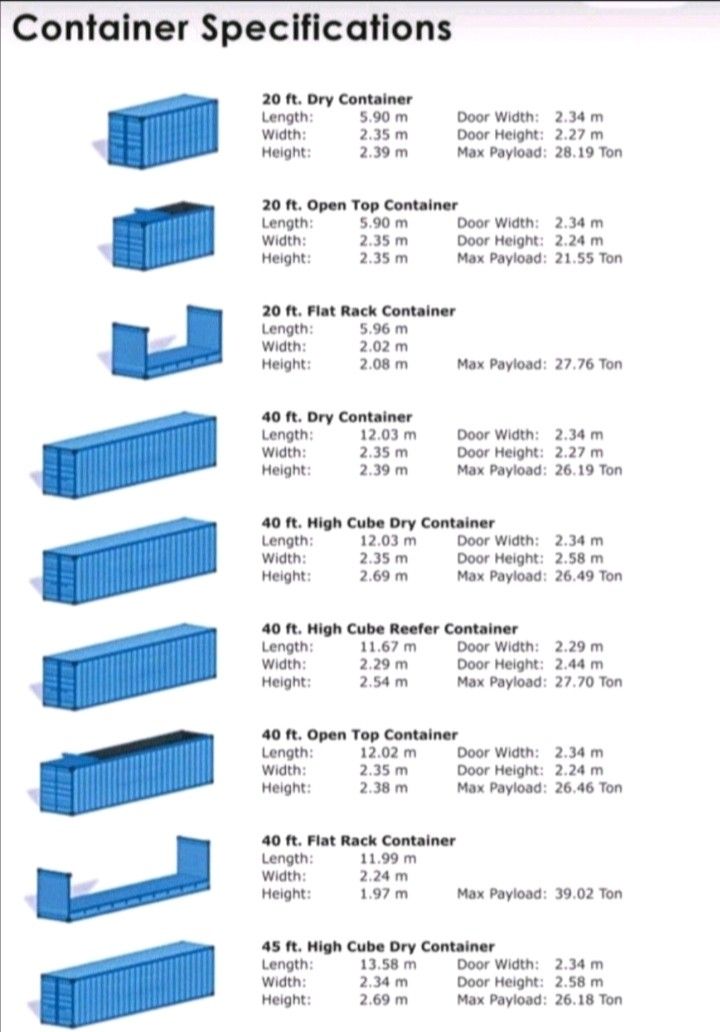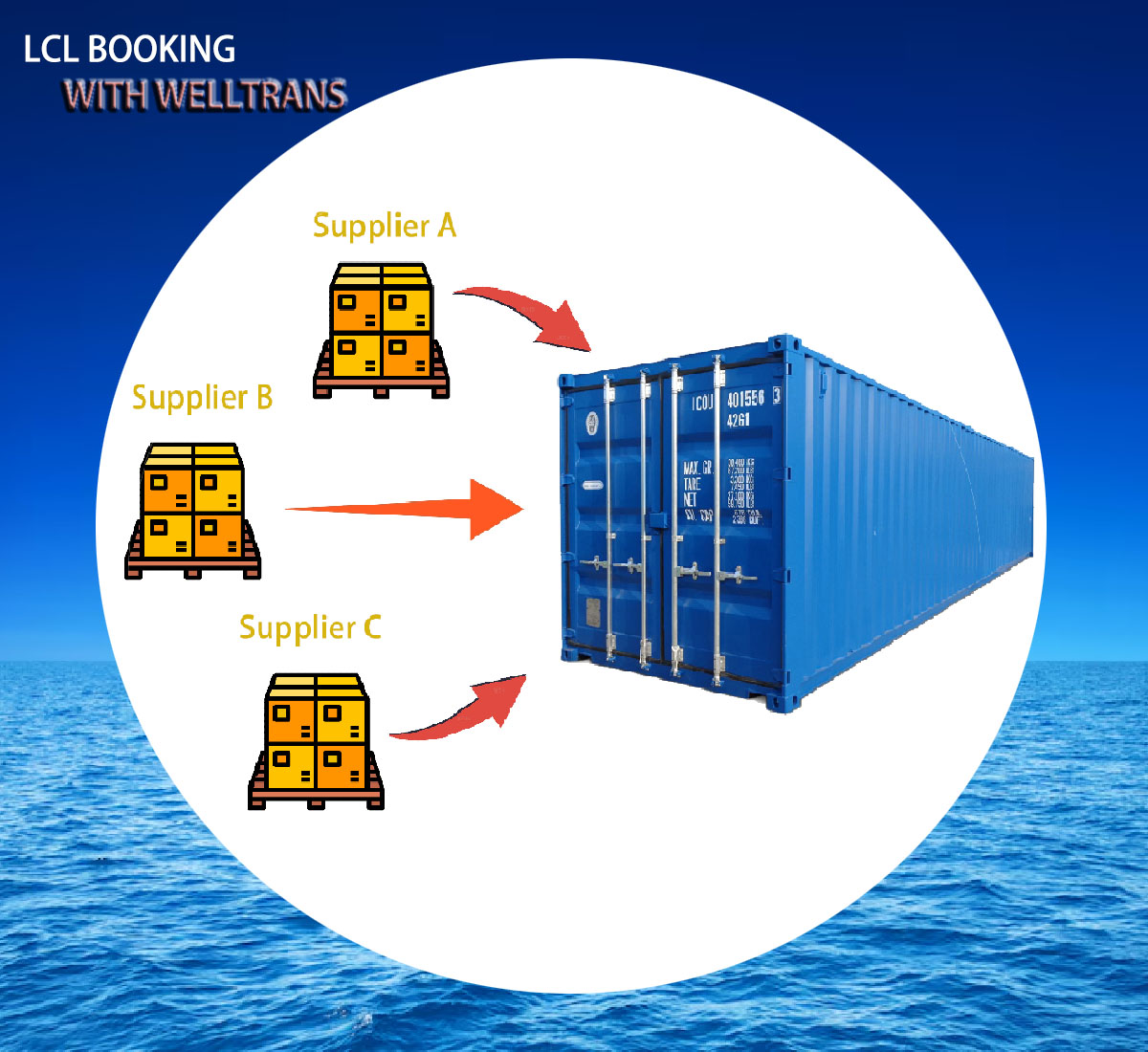

Choosing the right container type is essential for efficient door-to-door shipping from China. Welltrans Logistics specializes in guiding importers through the benefits of SOC (importer-owned containers) and COC (shipping line-owned containers), offering tailored solutions for global trade. Whether you’re shipping retail goods, industrial equipment, or perishables, understanding SOC and COC advantages ensures cost-effective, reliable logistics. Our expertise in DDP shipping from China simplifies global supply chains, reducing costs and delays across high-traffic trade routes.
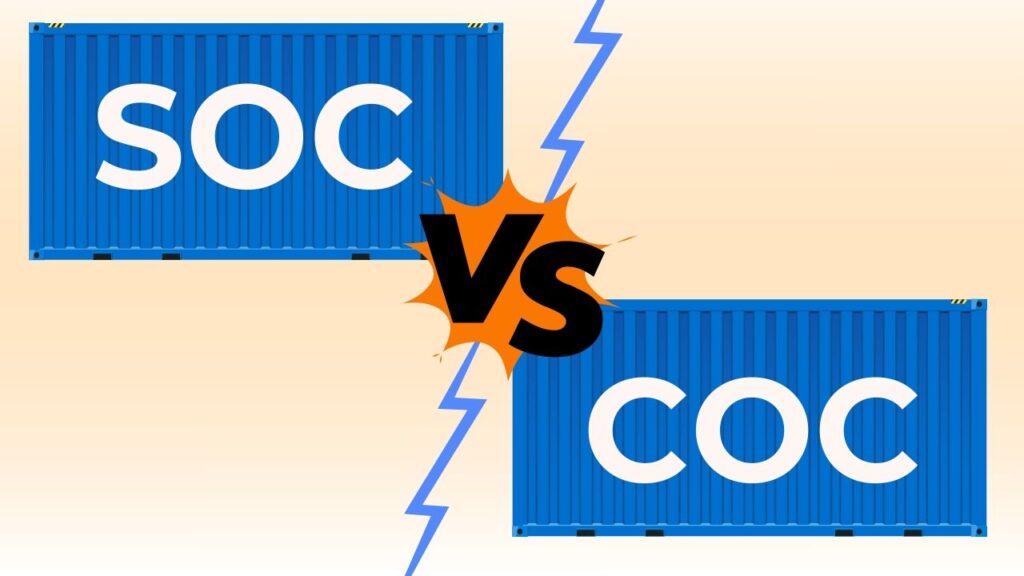
What is an Importer-Owned Container (SOC)?
An importer-owned container, or SOC, is a steel shipping container exclusively controlled by an individual or business. The owner secures vessel space to transport the container, making it ideal for door-to-door shipping from China. Large importers, such as global retailers or manufacturers, often use SOCs to manage consistent, high-volume cargo flows on routes like Shanghai to Los Angeles.
SOCs offer unmatched flexibility, enabling importers to tailor container usage to their specific schedules and cargo needs. For example, a manufacturer shipping industrial equipment can schedule shipments independently, bypassing carrier constraints. This autonomy is crucial in busy ports where container availability fluctuates, ensuring supply chain reliability. Welltrans Logistics supports SOC shipments with comprehensive global freight forwarding services, optimizing logistics efficiency.
What are the Advantages of SOC Containers?
Importer-owned containers significantly reduce logistics costs for businesses with regular shipping demands, particularly for container shipping services. By owning the container, you eliminate rental fees, which can accumulate on high-traffic routes like China to Europe. SOCs also protect against demurrage (port storage) and detention (container holding) charges, which are common in congested ports due to customs delays or operational bottlenecks.
In regions with limited carrier container availability, SOCs enable independent sourcing, a key advantage for remote or underserved ports. For instance, an importer can use SOCs to transport goods without relying on scarce carrier resources, enhancing operational control. SOCs also support specialized logistics, such as refrigerated containers for perishables, ensuring compliance with international standards. Welltrans Logistics optimizes SOC usage for cost-effective global trade.
What is a Shipping Line-Owned Container (COC)?
A shipping line-owned container, or COC, is a container owned and operated by a shipping company, forming part of their fleet. Unlike SOCs, COCs are leased to importers, who pay an all-inclusive rate for transport from origin to destination, such as China to Rotterdam. This rate covers container provision, streamlining logistics for door-to-door shipping from China.
After delivery, the COC is returned to the shipping line for reuse by other importers. However, delays during customs clearance, such as documentation errors or inspections, may trigger demurrage or detention fees. Welltrans Logistics mitigates these risks by ensuring compliance with international regulations, simplifying port operations and minimizing costs across global trade routes.
What are the Benefits of Using COC Containers?
Shipping line-owned containers are perfect for standard shipments on busy trade routes, such as China to North America, offering flexibility for full container load (FCL) or less-than-container load (LCL) shipments. For small or occasional importers, COCs simplify logistics, as the carrier manages container provision, making them ideal for one-off shipments like consumer goods.
With COCs, importers avoid responsibilities for container maintenance, storage, or regulatory compliance, as containers are returned post-delivery. This convenience suits businesses prioritizing simplicity over ownership, especially for time-sensitive shipments. When carriers offer abundant containers at competitive rates, COCs can be more economical than SOCs, particularly with Welltrans’ expertise in global freight forwarding.

How Do SOC and COC Containers Differ?
Ownership: SOC containers are wholly owned by the importer or business, while COCs belong to the shipping line.
Operational Process: For SOCs, importers must source containers, submit certification to the carrier, and return them to designated yards after delivery. In DDP shipping from China, Welltrans ensures seamless documentation, minimizing customs delays. Conversely, COC users collect or return containers per the carrier’s schedule, with no additional applications, as the container and cargo space are integrated.
Cost Implications: SOCs are generally more cost-effective for cargo space, especially for frequent shipments, as they avoid rental fees. However, savings depend on shipment volume, carrier container availability, and return costs. COCs may incur demurrage or detention fees if customs delays occur, but Welltrans’ proactive planning minimizes these risks for SOC vs COC containers.
Is Investing in SOC Containers Worth It?
Owning SOC containers benefits businesses with regular shipments, particularly on high-demand routes. SOCs eliminate demurrage and detention fees, which can escalate during customs inspections. For goods stored long-term, such as industrial equipment in warehouses, SOCs reduce costs compared to leased containers, enhancing shipping container costs efficiency.
However, purchasing SOCs involves significant upfront costs: $1,600–$3,200 for a used 20-foot container and $2,600–$5,200 for a 40-foot container. Additional expenses include maintenance, global warehousing, and regulatory compliance. To evaluate ROI, calculate savings from avoided rental fees, shipping frequency, and container lifespan. Welltrans Logistics offers tailored cost-benefit analyses for global importers.
How to Choose SOC or COC for Global Shipping?
Selecting between SOC and COC for DDP shipping from China depends on your shipping frequency, cargo type, and budget. SOCs are ideal for regular importers, such as retailers shipping consumer goods, as they avoid demurrage and offer scheduling control. COCs suit occasional or small-scale shipments, where convenience outweighs ownership benefits, such as one-off machinery deliveries.
Welltrans Logistics helps you decide by analyzing shipment volume, port logistics, and cost savings. Our expertise in global freight forwarding ensures compliance and efficiency, whether you choose SOC autonomy or COC simplicity. Contact us to optimize your container strategy and streamline door-to-door shipping from China.
You may be interested in: What Is The Difference Between FCA and FOB