
Introduction to Shipping from China to Japan
Japan, with its thriving economy and strategic location in East Asia, is a key trading partner for China, making shipping from China to Japan a vital link in global commerce. Businesses across industries rely on this route to move goods efficiently, from electronics to automotive parts. At Welltrans Logistics, we specialize in providing seamless shipping from China to Japan, offering a range of services tailored to meet diverse needs. Whether you’re a manufacturer in Shanghai or a retailer in Tokyo, our expertise ensures your cargo reaches its destination reliably. This article explores the process, costs, and benefits of this trade route, highlighting how we support clients with innovative logistics solutions as of August 29, 2025.
Why Shipping from China to Japan?
China’s deep trade relationship with Japan, bolstered by proximity and historical economic ties, makes it an ideal shipping hub. The two nations share a robust supply chain, with China’s manufacturing prowess providing high-quality goods at competitive prices. This is complemented by efficient transportation networks, including major ports like Shanghai and Shenzhen, which are just a short sea voyage from Japanese ports like Yokohama. The convenience of this route, combined with China’s ability to produce everything from consumer electronics to industrial machinery, positions it as a preferred source for Japanese importers. For businesses looking to optimize their supply chain, shipping from China to Japan offers both speed and cost advantages, a trend that continues to grow in 2025.
Shipping Methods from China to Japan
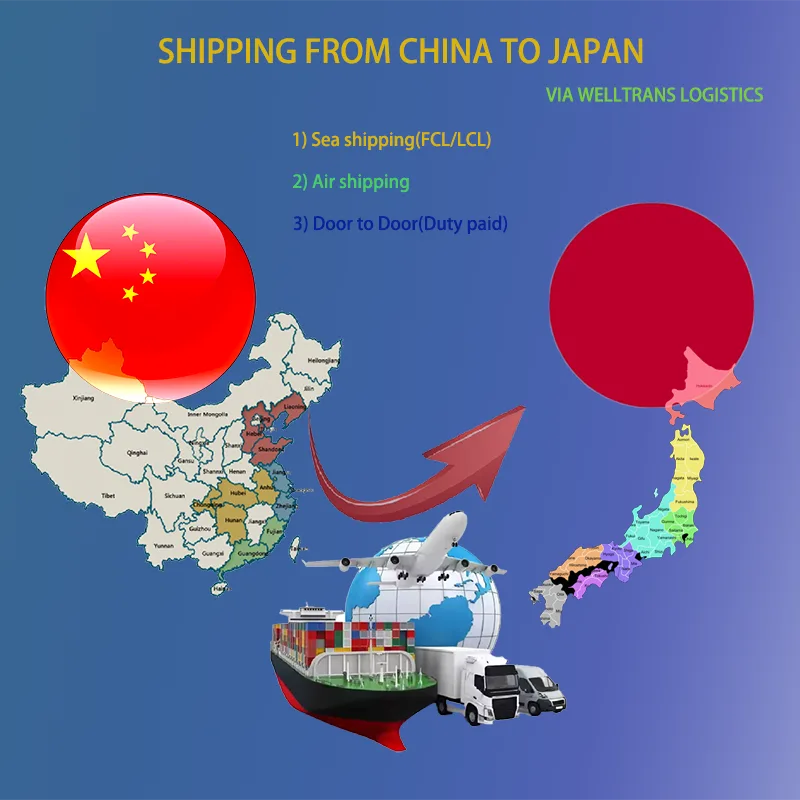
Welltrans Logistics offers multiple shipping methods to cater to various cargo needs for shipping from China to Japan. Our options include:
- Sea Freight: The most popular choice, available as Full Container Load (FCL) for large shipments or Less than Container Load (LCL) for smaller volumes, ideal for cost-effective ocean shipping.
- Air Freight: A fast option for urgent or high-value goods, ensuring quick delivery to key Japanese airports.
- DDP (Delivered Duty Paid): A comprehensive service that covers customs duties and door-to-door delivery, simplifying the import process for clients.
Each method is designed to align with your timeline and budget, making us a versatile partner in container shipping transformer and other goods.

How Much Does Shipping Cost from China to Japan?
Update: March 2026
Shipping costs for shipping from China to Japan vary based on the method, cargo volume, and market conditions. At Welltrans Logistics, we strive to offer competitive rates, saving clients up to 10% compared to industry averages. The following table provides a reference to help you plan your budget effectively.
| Shipping Method | Cost Estimate |
|---|---|
| Sea Freight (20ft FCL) | $850 – $1,200 (USD) |
| Sea Freight (40ft FCL) | $1,550 – $2,000 (USD) |
| Sea Freight (LCL) | $40 – $80 (USD/CBM) |
| Air Freight | $3 – $8 (USD/kg) |
| DDP Sea Freight | $80 – $150 (USD/CBM) |
| DDP Air Freight | $4 – $9 (USD/kg) |
Costs by Shipping Method
Sea Freight Costs: For FCL, a 20ft container from Shanghai to Tokyo costs $850-$1,200, while a 40ft container ranges from $1,550-$2,000. LCL shipping, suitable for smaller loads, starts at $40-$80 per CBM, depending on consolidation efficiency. This makes sea freight from China to USA a budget-friendly option for bulk goods.
Air Freight Costs: Rapid delivery from Guangzhou to Osaka costs $3-$8 per kg. To better understand how these rates are determined, check our guide on air freight chargeable weight, which breaks down the calculation process.
DDP Costs: This all-inclusive service from China to Japan ranges from $80-$150 per CBM (sea) or $4-$9 per kg (air), covering duties and delivery. Learn more about DDP shipping to see how it simplifies your logistics.
Factors Affecting Shipping Price
Several elements influence the cost of shipping from China to Japan:
- Cargo Type: Sensitive or heavy items like machinery may incur additional fees.
- Distance and Route: Shorter routes, such as Shanghai to Yokohama, tend to be cheaper than longer ones.
- Seasonal Demand: Peak periods like the Lunar New Year can drive up prices.
- Fuel Surcharges: Fluctuations in oil prices affect both sea and air freight rates.
Tips to Reduce Shipping Cost
Lower your expenses with these practical strategies:
- Increase Volume: Ship at least 100 kg for air freight or 1 CBM for sea freight to benefit from bulk rates.
- Avoid Peak Seasons: Plan shipments outside busy holiday periods to secure lower rates.
- Optimize Packaging: Reduce wasted space to lower LCL costs and negotiate with carriers for better deals.
How Long Does It Take to Ship from China to Japan?
update: March 2026
Transit times for shipping from China to Japan depend on the chosen method and route. The proximity of the two countries ensures relatively short delivery windows. The table below offers a reference to help you schedule your shipments.
| Shipping Method | Transit Time |
|---|---|
| Sea Freight (Port-to-Port) | 5-14 (Days) |
| Sea Freight (Door-to-Door) | 7-16 (Days) |
| Air Freight | 1-8 (Days) |
| DDP Sea Freight | 7-16 (Days) |
| DDP Air Freight | 3-10 (Days) |
Sea Freight: The route from Shanghai to Tokyo typically takes 6-10 days, with door-to-door adding a few days for customs and inland transport.
Air Freight: Flights from Shenzhen to Osaka deliver in 1-3 days, offering a swift option for urgent shipments.

Customs Clearance Requirements for Japan
Japan enforces strict customs regulations to protect its market. Essential documents include:
- Commercial Invoice: Details the value and description of goods.
- Packing List: Specifies weight, volume, and packaging details.
- Bill of Lading: Confirms the shipping contract.
- Certificate of Origin: Verifies the goods’ source for tariff purposes.
Product Notes: Electronics require proper labeling, while perishable goods need health certificates to avoid delays. Our team ensures compliance with these requirements.
Import Tariffs from China to Japan
Japan’s tariffs vary by product, aligning with its trade policies. Our DDP services can streamline duty payments. Explore DDP shipping for more details. Below is a reference table for common items.
| Product | HS Code | Tariff Rate |
|---|---|---|
| Smartphones | 8517.12 | 0% (USD) |
| Laptops | 8471.30 | 0% (USD) |
| Textiles (Cotton) | 5208.12 | 8% (USD) |
| Automotive Parts | 8708.99 | 0% (USD) |
| Furniture (Wooden) | 9403.60 | 0% (USD) |
| Machinery | 8466.94 | 0% (USD) |
| Clothing | 6109.10 | 9% (USD) |
| Toys | 9503.00 | 0% (USD) |
| Chemicals | 2902.19 | 3.5% (USD) |
| Footwear | 6403.99 | 10% (USD) |
Major Sea Ports and Airports For Shipping From China to Japan
Japanese Ports: Japan boasts over 300 ports, with key hubs divided into Kanto and Kansai regions. Below is a reference table highlighting major ports.
| Port | City | Cargo Types | Status in Japan |
|---|---|---|---|
| Tokyo Port | Tokyo | Containers, General Cargo | Capital region hub |
| Yokohama Port | Yokohama | Containers, Automobiles | Largest port city |
| Nagoya Port | Nagoya | Industrial Goods, Machinery | Major cargo center |
| Osaka Port | Osaka | Textiles, Electronics | Key Kansai trade port |
| Kobe Port | Kobe | Containers, Steel | Leading international port |
| Moji Port | Moji | Bulk Goods, Coal | Vital Kansai link |
| Kitakyushu Port | Kitakyushu | Steel, Chemicals | Northern industrial port |
| Hakata Port | Fukuoka | Seafood, Textiles | Regional trade hub |
Chinese Ports: Below is a reference table for major Chinese ports.
| Port | Region | Export Volume | Main Cargo |
|---|---|---|---|
| Shanghai | Coastal | 47M (TEU) | Electronics, Textiles |
| Shenzhen | Pearl River | 27M (TEU) | Consumer Goods |
| Ningbo | Coastal | 31M (TEU) | Machinery, Furniture |
| Qingdao | Coastal | 25M (TEU) | Chemicals, Steel |
| Guangzhou | Pearl River | 24M (TEU) | Apparel, Toys |
Step-by-Step Guide to the Shipping Process from China to Japan
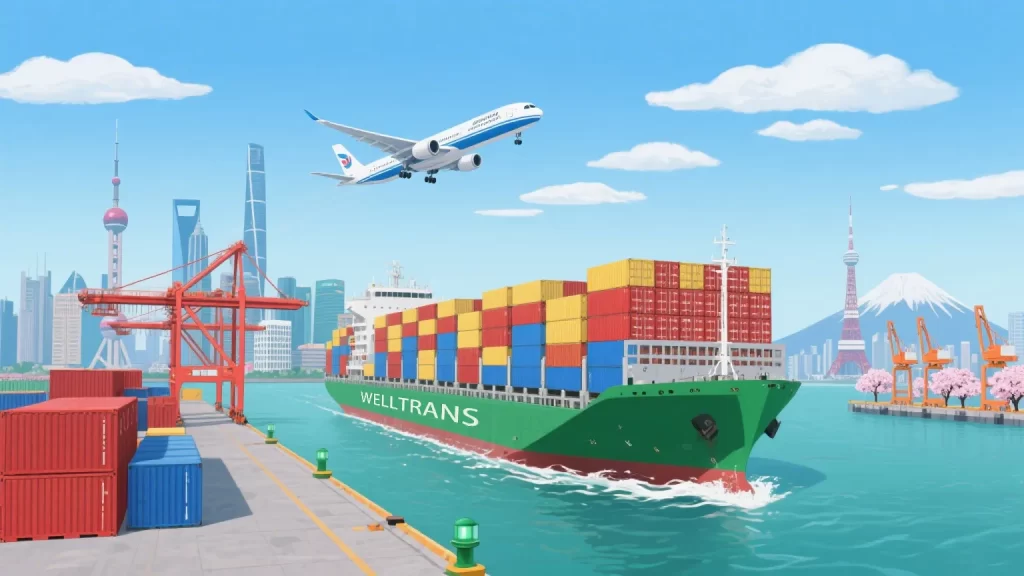
The shipping process for shipping from China to Japan involves several key steps:
- Pickup and Loading: We collect goods from the client’s location and load them into containers at the port.
- Documentation: Our team prepares all necessary documents, including invoices and bills of lading.
- Sea or Air Transport: Cargo is shipped via ocean shipping or air freight, depending on the client’s needs.
- Customs Clearance: We manage clearance in both China and Japan, ensuring compliance.
- Delivery: Goods are delivered to the final destination, with options for door-to-door service.
- Tracking: Clients can monitor their shipment with our tracking tool for real-time updates.
Common Challenges When Shipping to Japan
Shipping to Japan can present several hurdles:
- Delays: Port congestion, especially at Tokyo or Yokohama, can slow down deliveries.
- Customs Issues: Strict regulations may cause holds if documentation is incomplete.
- Peak Season Surges: High demand during festivals like Golden Week increases costs and wait times.
How to Choose a Shipping Agent from China to Japan
Selecting the right shipping agent is crucial for shipping from China to Japan. Consider these factors:
- Experience: Look for agents with a proven track record on this route.
- Service Range: Ensure they offer sea freight, air freight, and DDP options.
- Reliability: Choose providers with consistent delivery performance.
- Expertise: Opt for professionals who understand customs nuances. Check our top freight forwarders guide for recommendations.
Best Incoterms for Shipping from China to Japan
Choosing the right Incoterm impacts cost and responsibility. Learn more with our comparison at CIF vs. EXW vs. FOB.
FOB (Free on Board)
Sellers handle costs to the Chinese port, suitable for buyers managing freight onward.
CIF (Cost, Insurance, Freight)
Covers sea freight and insurance to Japan, ideal for importers seeking simplicity.
DDP (Delivered Duty Paid)
Includes all costs and duties, perfect for hassle-free delivery to the buyer’s door.
Top 10 Commodities Imported from China to Japan
Japan imports a wide range of goods from China. Below is a reference table.
| Commodity | Subcategories | Import Volume |
|---|---|---|
| Electronics | Smartphones, TVs | $50B (USD) |
| Machinery | Industrial Tools | $30B (USD) |
| Textiles | Apparel, Fabrics | $15B (USD) |
| Automotive Parts | Engines, Tires | $20B (USD) |
| Plastics | Raw Materials | $10B (USD) |
| Furniture | Wooden, Metal | $8B (USD) |
| Toys | Dolls, Games | $5B (USD) |
| Chemicals | Paints, Resins | $7B (USD) |
| Footwear | Sneakers, Boots | $4B (USD) |
| Metal Products | Steel, Aluminum | $6B (USD) |
Why Choose Welltrans Logistics?
Welltrans Logistics excels in shipping from China to Japan with:
- 15 Years of Experience: Decades of expertise ensure smooth operations.
- Reliability: 13 years with no cargo loss or complaints.
- Diverse Options: Sea, air, rail, and DDP services tailored to you.
- Affordable Pricing: Rates stay within 5% of costs for value.
Track your shipment with our tool for peace of mind. With a dedicated team and deep market knowledge, we deliver tailored solutions that enhance your logistics efficiency.
FAQ for Shipping from China to Japan
What is the cheapest way to ship from China to Japan?
Sea freight, especially FCL, is the most cost-effective option for large shipments.
How long does sea freight take?
Sea freight typically takes 5-14 days, depending on the port and route.
What documents are required for customs?
You’ll need a commercial invoice, packing list, bill of lading, and certificate of origin.
Is DDP a good choice?
Yes, DDP simplifies duties and delivery. Learn more at our DDP page.
How can I track my shipment?
Use our tracking tool for real-time updates.
What affects shipping costs?
Costs depend on cargo type, route, seasonal demand, and fuel prices.
Can small shipments be cost-effective?
Yes, LCL sea freight or air freight for volumes over 100 kg can optimize costs.