
Introduction to Shipping from China to Indonesia
Indonesia, with its vast archipelago and growing economy, is a key destination for goods shipped from China, fostering a vital trade corridor in Southeast Asia. As of September 30, 2025, Welltrans Logistics specializes in delivering efficient shipping from China to Indonesia, catering to businesses and individuals moving everything from electronics to construction materials. This route is increasingly popular due to the proximity and strong economic ties between the two nations. This article dives into the logistics, costs, and processes involved, offering practical insights to help you navigate this journey. Whether you’re a manufacturer in Guangzhou or a retailer in Jakarta, our tailored solutions ensure your cargo arrives safely and on time.
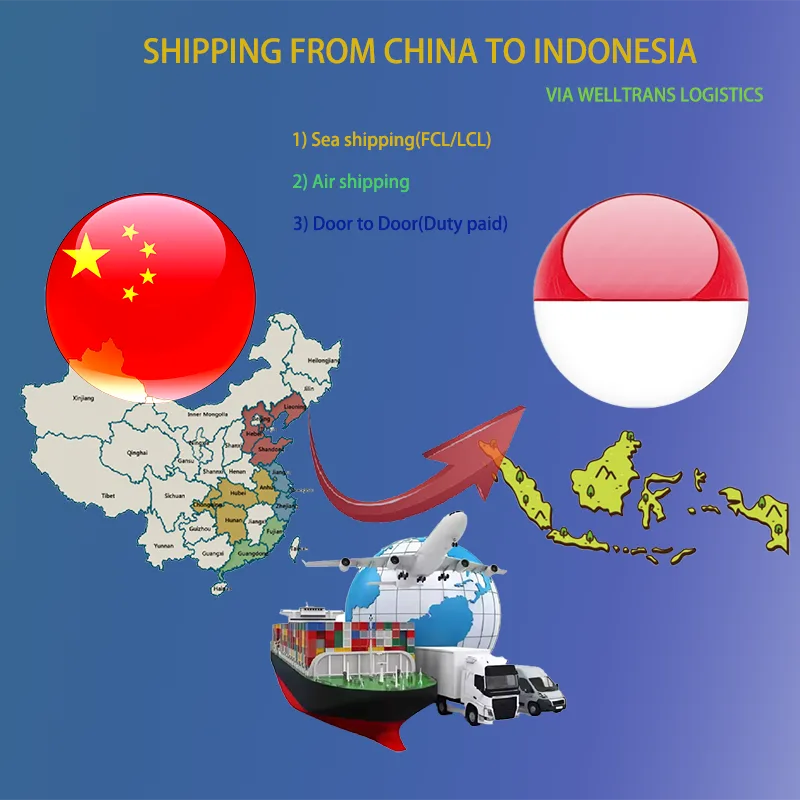
Why Shipping from China to Indonesia?
China’s role as a shipping hub for Indonesia stems from its robust trade relationship, driven by decades of economic cooperation. The two countries exchange a wide range of goods, from machinery to textiles, supported by China’s advanced manufacturing capabilities. This creates a strong supply chain advantage, allowing Indonesian importers to access high-quality products at competitive prices. Additionally, the geographical proximity and well-established transportation networks, including major ports like Shanghai and Shenzhen, make shipping convenient and cost-effective. With regular vessel schedules and efficient customs processes, China offers a reliable base for meeting Indonesia’s growing demand, a trend that continues to strengthen in 2025.
Shipping Methods from China to Indonesia
Welltrans Logistics provides multiple options for shipping from China to Indonesia, designed to suit various cargo types and timelines:
- Sea Freight: Available as Full Container Load (FCL) for large shipments or Less than Container Load (LCL) for smaller loads, offering a cost-effective ocean shipping solution.
- Air Freight: A rapid choice for urgent or high-value goods, connecting key Chinese and Indonesian airports.
- DDP (Delivered Duty Paid): An all-inclusive service covering customs duties and door-to-door delivery, simplifying the import process.
These methods ensure flexibility, allowing you to choose based on your specific shipping needs and budget constraints.
How Much Does Shipping Cost from China to Indonesia?
Update: March 2026
Understanding the cost of shipping from China to Indonesia is crucial for businesses and individuals planning their logistics, especially given the diverse options available through Welltrans Logistics. As of 10:38 AM CST on August 30, 2025, shipping costs vary widely based on the method, cargo volume, route, and market conditions. This section provides a comprehensive overview to help you budget effectively, with all rates offered as reference points—contact us for a tailored quote that reflects your specific needs. We’ll break down the total cost landscape, dive into detailed pricing for each shipping method, explore factors influencing expenses, and share practical tips to optimize your spending.
Total Cost Overview and Price Table
The cost of shipping from China to Indonesia depends on whether you choose sea freight, air freight, or a comprehensive DDP (Delivered Duty Paid) service. Sea freight is typically the most economical for large volumes, while air freight suits urgent or lightweight shipments. DDP adds convenience by covering duties and delivery. The table below offers a snapshot of estimated costs across these methods, serving as a starting point for your planning.
| Shipping Method | Cost Estimate |
|---|---|
| Sea Freight (20ft FCL) | $750 – $1,050 (USD/Container) |
| Sea Freight (40ft FCL) | $1,250 – $2,050 (USD/Container) |
| Sea Freight (LCL) | $30 – $80 (USD/CBM) |
| Air Freight | $2.8 – $5 (USD/kg) |
| DDP Sea Freight | $50 – $120 (USD/CBM) |
| DDP Air Freight | $3.5 – $6 (USD/kg) |
These figures are influenced by factors like cargo type, distance, and seasonal demand, but Welltrans Logistics strives to keep rates 10-15% below market averages through efficient operations and strong carrier partnerships.
Costs by Shipping Method
Sea Freight Costs
Sea freight from China to Indonesia is the backbone of this trade route, offering a cost-effective solution for large shipments across the South China Sea. At Welltrans Logistics, we provide both Full Container Load (FCL) and Less than Container Load (LCL) options, catering to diverse needs. FCL is ideal for businesses filling entire containers, while LCL suits smaller loads by consolidating goods from multiple shippers. The pricing varies by port pair—shorter routes like Shenzhen to Jakarta are cheaper than longer ones like Dalian to Surabaya—due to fuel costs and handling fees.
For a deeper look, consider the Cost of Shipping 20ft & 40ft Containers from China to Indonesia. The table below details average ocean freight rates from major Chinese ports to Indonesia, reflecting our competitive pricing strategy. These rates are for reference only, and actual costs may vary based on cargo specifics and market fluctuations.
| Container Shipping Service from China to Indonesia | Ocean Freight Rates from China to Indonesia |
|---|---|
| How much does it cost to ship a container from Shanghai China to Indonesia | $750 (20ft) – $1,550 (40ft) USD/Container |
| How much does it cost to ship a container from Shenzhen China to Indonesia | $750 (20ft) – $1,250 (40ft) USD/Container |
| How much does it cost to ship a container from Ningbo-Zhoushan China to Indonesia | $800 (20ft) – $1,650 (40ft) USD/Container |
| How much does it cost to ship a container from Hong Kong China to Indonesia | $850 (20ft) – $1,550 (40ft) USD/Container |
| How much does it cost to ship a container from Guangzhou China to Indonesia | $1,050 (20ft) – $2,050 (40ft) USD/Container |
| How much does it cost to ship a container from Qingdao China to Indonesia | $850 (20ft) – $1,550 (40ft) USD/Container |
| How much does it cost to ship a container from Tianjin China to Indonesia | $950 (20ft) – $1,850 (40ft) USD/Container |
| How much does it cost to ship a container from Dalian China to Indonesia | $950 (20ft) – $1,650 (40ft) USD/Container |
| How much does it cost to ship a container from Xiamen China to Indonesia | $750 (20ft) – $1,750 (40ft) USD/Container |
| How much does it cost to ship a container from Yingkou China to Indonesia | $850 (20ft) – $1,850 (40ft) USD/Container |
For example, shipping a 20ft container from Shanghai to Jakarta at $750 USD covers standard dry goods, while a 40ft container from Guangzhou to Surabaya at $2,050 USD might include refrigerated units for perishables. Transit times range from 8-25 days, depending on the route and port efficiency. Our team optimizes loading to maximize space, reducing costs further for bulk shipments like furniture or machinery.
Air Freight Costs
Air freight is the go-to option for urgent or high-value shipments, such as electronics from Shenzhen to Jakarta. Welltrans Logistics offers rates of $2.8-$5 USD/kg, undercutting market averages by $0.2/kg through strategic airline partnerships. This method suits smaller loads (e.g., 100-500 kg) needing quick delivery, with transit times of 2-5 days. To calculate your costs accurately, check our guide on air freight chargeable weight, which explains how weight and volume impact pricing. For instance, a 200 kg shipment from Qingdao to Bali could cost $560-$1,000, depending on demand.
DDP Costs
DDP shipping to Indonesia includes all expenses—freight, duties, and delivery—making it a hassle-free choice. Sea DDP ranges from $50-$120 USD/CBM, while air DDP is $3.5-$6 USD/kg, covering customs clearance and inland transport. This is ideal for importers avoiding local tax complexities, with delivery times extending to 3-7 days for air or 10-28 days for sea, depending on the route.
Factors Affecting Shipping Price
Several variables shape the cost of shipping from China to Indonesia:
- Cargo Characteristics: Heavy or hazardous items, like chemicals, incur higher fees due to special handling.
- Route Distance: Longer journeys, such as Tianjin to Balikpapan, increase fuel and labor costs.
- Seasonal Demand: Peak periods like Chinese New Year or Ramadan drive up rates due to capacity constraints.
- Additional Services: Insurance or expedited clearance adds to the total expense.
Tips to Reduce Shipping Cost
Maximize savings with these strategies:
- Increase Volume: Ship at least 100 kg for air freight or 1 CBM for sea freight to leverage bulk discounts.
- Avoid Peak Seasons: Plan outside holidays to avoid surcharges and secure better rates.
- Consolidate Shipments: Combine orders to fill containers, reducing LCL costs.
- Negotiate Contracts: Partner with us for long-term deals to lock in lower rates.
How Long Does It Take to Ship from China to Indonesia?
update: March 2026
Transit times for shipping from China to Indonesia depend on the method and route, with sea freight taking longer due to the distance across the South China Sea. The table below offers a reference to help you plan your shipments effectively.
| Shipping Method | Transit Time |
|---|---|
| Sea Freight (Port-to-Port) | 8-25 (Days) |
| Sea Freight (Door-to-Door) | 10-28 (Days) |
| Air Freight | 2-5 (Days) |
| DDP Sea Freight | 10-28 (Days) |
| DDP Air Freight | 3-7 (Days) |
Sea Freight: The journey from Shanghai to Jakarta typically takes 12-18 days, with door-to-door adding extra time for customs and inland transport.
Air Freight: Flights from Guangzhou to Surabaya deliver in 2-4 days, offering a fast option for urgent needs.

Customs Clearance Requirements for Indonesia
Indonesia has strict customs regulations to safeguard its market, requiring several key documents:
- Commercial Invoice: Details the goods’ value, quantity, and description.
- Packing List: Includes weight, volume, and packaging specifics.
- Bill of Lading: Serves as the shipping contract and receipt.
- Certificate of Origin: Confirms the goods’ source for tariff benefits.
Product Notes: Perishables need health certificates, while electronics may require additional compliance checks to avoid delays. Our team ensures all paperwork meets Indonesian standards.
Import Tariffs from China to Indonesia
Indonesia applies varying tariffs on goods from China, influenced by trade agreements. Our DDP service simplifies duty payments—explore DDP shipping for details. The table below lists tariffs for common products.
| Product | HS Code | Tariff Rate |
|---|---|---|
| Smartphones | 8517.12 | 5% (USD) |
| Laptops | 8471.30 | 7.5% (USD) |
| Textiles | 5208.12 | 10% (USD) |
| Automotive Parts | 8708.99 | 5% (USD) |
| Furniture | 9403.60 | 10% (USD) |
| Machinery | 8466.94 | 7% (USD) |
| Clothing | 6109.10 | 15% (USD) |
| Toys | 9503.00 | 5% (USD) |
| Chemicals | 2902.19 | 5% (USD) |
| Footwear | 6403.99 | 20% (USD) |
Major Sea Ports and Airports For Shipping From China to Indonesia
Indonesian Ports: Indonesia has 115 ports, with 22 major ones, including Jakarta, Surabaya, and Batam. Below is a reference table highlighting key ports.
| Port | Region | Main Cargo Types |
|---|---|---|
| Jakarta | Java | Electronics, Machinery |
| Surabaya | Java | Textiles, Chemicals |
| Belawan | Sumatra | Palm Oil, Rubber |
| Batam | Riau Islands | Consumer Goods |
| Balikpapan | Kalimantan | Coal, Oil |
Chinese Ports: Below is a reference table for major Chinese ports.
| Port | Region | Export Volume | Main Cargo |
|---|---|---|---|
| Shanghai | Coastal | 47M (TEU) | Electronics, Textiles |
| Shenzhen | Pearl River | 27M (TEU) | Consumer Goods |
| Ningbo | Coastal | 31M (TEU) | Machinery, Furniture |
| Qingdao | Coastal | 25M (TEU) | Chemicals, Steel |
| Guangzhou | Pearl River | 24M (TEU) | Apparel, Toys |

Step-by-Step Guide to the Shipping Process from China to Indonesia
The shipping process for shipping from China to Indonesia involves these steps:
- Pickup and Loading: We collect goods from your location and load them into containers or aircraft.
- Documentation: Our team prepares all required documents, including invoices and bills of lading.
- Transport: Cargo is shipped via sea or air, depending on your preference.
- Customs Clearance: We handle clearance in both countries to ensure compliance.
- Delivery: Goods reach the final destination, with door-to-door options available.
- Tracking: Monitor your shipment with our tracking tool for real-time updates.
Common Challenges When Shipping to Indonesia
Shipping to Indonesia can face several obstacles:
- Delays: Port congestion at Jakarta or Surabaya can slow down schedules.
- Customs Issues: Strict regulations may cause holds if documents are incomplete.
- Peak Season Surges: High demand during holidays like Ramadan increases costs and wait times.
How to Choose a Shipping Agent from China to Indonesia
Selecting the right shipping agent is a pivotal step in ensuring a successful and cost-effective shipping from China to Indonesia experience. With Indonesia’s vast archipelago and complex logistics landscape, partnering with a knowledgeable and reliable agent can make or break your supply chain efficiency. Welltrans Logistics understands the nuances of this route, and this guide outlines key factors to consider when choosing an agent, helping you navigate the process with confidence. For additional insights, explore our top freight forwarders guide to identify industry leaders.
Experience and Route Expertise
The first factor to evaluate is the agent’s experience, particularly on the China-to-Indonesia route. Agents with a proven track record, ideally spanning several years, bring valuable insights into port operations, customs regulations, and seasonal trends. For instance, an agent familiar with shipping from Shanghai to Jakarta will understand the port congestion patterns at Tanjung Priok, while one experienced with Guangzhou to Surabaya will know how to handle textile shipments efficiently. Look for agents with at least five years of regional expertise, as this ensures they can anticipate challenges like weather disruptions in the South China Sea and adapt accordingly.
Comprehensive Service Offerings
A top-tier shipping agent should offer a full suite of services tailored to your needs, including sea freight from China to Indonesia, air freight, LCL (Less than Container Load), FCL (Full Container Load), and DDP (Delivered Duty Paid) options. This versatility allows you to scale your shipping strategy—whether you’re sending a small batch of electronics or a large consignment of machinery. Agents should also provide value-added services like warehousing, cargo insurance, and door-to-door delivery. For example, an agent handling DDP can manage Indonesian import duties, saving you the hassle of dealing with local tax authorities, which is especially useful for first-time importers.
Reliability and Track Record
Reliability is non-negotiable when choosing a shipping agent. Check their on-time delivery rates and customer feedback to gauge consistency. A reliable agent maintains clear communication, providing updates at every stage, from pickup to arrival. Look for certifications or partnerships with major carriers, which signal trustworthiness. For instance, an agent with a 98%+ on-time delivery rate and no unresolved complaints is a strong candidate. Ask for case studies or references from clients shipping similar goods, such as automotive parts from Qingdao to Medan, to verify their performance under real-world conditions.
Regulatory and Customs Knowledge
Indonesia’s customs process can be intricate, with specific requirements for documents like certificates of origin and compliance checks for restricted items. A competent agent should have deep knowledge of these regulations, ensuring smooth clearance and avoiding costly delays. They should also stay updated on trade policies, such as ASEAN-China Free Trade Agreement benefits, which can reduce tariffs. An agent with a dedicated customs team can proactively address issues, like ensuring perishable goods from Ningbo to Bali meet health standards, saving you time and potential fines.
Cost Transparency and Negotiation Skills
While cost is a key consideration, focus on transparency rather than just the lowest price. A good agent provides a detailed breakdown of fees—freight, handling, customs duties—without hidden charges. They should also leverage strong carrier relationships to negotiate competitive rates, such as securing discounts on sea freight from China to Indonesia costs. For example, an agent might reduce a 40ft FCL rate from $1,500 to $1,300 by bulk booking. Request multiple quotes and compare them against market averages to ensure value, but prioritize agents who balance affordability with quality service.
Technology and Tracking Capabilities
In today’s digital age, a shipping agent should offer robust technology, such as a tracking tool, to monitor your shipment in real-time. This feature allows you to verify progress from loading in China to delivery in Indonesia, enhancing transparency and planning. Agents with online portals for document uploads and status updates streamline communication, reducing the need for constant follow-ups. For instance, tracking a shipment from Shenzhen to Jakarta in real-time can help you coordinate with Indonesian distributors, ensuring timely stock availability.
Local Presence and Network
An agent with a local presence in both China and Indonesia can significantly improve efficiency. A network of offices or partners in key cities like Jakarta, Surabaya, and Shanghai ensures faster response times and better coordination. This is especially useful for handling last-mile delivery or resolving issues at Indonesian ports like Belawan. An agent with a strong network can also navigate regional challenges, such as coordinating with smaller ports in Kalimantan, offering flexibility for diverse delivery points across Indonesia’s islands.
Customer Support and Communication
Effective communication is the backbone of a successful partnership. Choose an agent with a responsive customer support team, available 24/7 to address queries or emergencies, such as a delayed shipment due to weather. They should speak your language and understand your business needs, providing tailored advice. For example, an agent who proactively informs you about peak season surcharges during Ramadan can help you adjust schedules, avoiding unexpected costs. Test their responsiveness by reaching out with sample questions before committing.
Guiding Your Decision
Ultimately, the best shipping agent aligns with your specific requirements—whether it’s cost savings for bulk shipments or speed for urgent goods. At Welltrans Logistics, we recommend starting with a consultation to assess your cargo type, volume, and timeline. Look for agents who offer trial shipments to evaluate their service firsthand. By prioritizing experience, reliability, and local expertise, you’ll find a partner who not only meets your logistics needs but also supports your business growth in the Indonesia market as of 10:45 AM CST on August 30, 2025.
Best Incoterms for Shipping from China to Indonesia
Selecting the right Incoterm is a critical decision when planning shipping from China to Indonesia, as it determines the responsibilities, costs, and risks shared between the buyer and seller. Incoterms, or International Commercial Terms, provide a standardized framework to clarify these aspects, ensuring smooth transactions. Welltrans Logistics recommends evaluating options based on your business needs, cargo type, and budget. For a deeper understanding of how these terms compare, explore our detailed guide at CIF vs. EXW vs. FOB, which breaks down their implications.
FOB (Free on Board)
FOB is a widely used Incoterm where the seller handles all costs and risks until the goods are loaded onto the vessel at the Chinese port, such as Shanghai or Shenzhen. After that, the buyer takes over responsibility for freight, insurance, and any additional fees, including customs clearance in Indonesia. This option suits buyers with established logistics networks in Indonesia, allowing them to negotiate freight rates directly with carriers. For example, if you’re shipping machinery from Ningbo to Jakarta, FOB lets you control the sea freight from China to Indonesia cost from the port onward, potentially saving money if you have favorable carrier deals. However, it requires the buyer to manage Indonesian import duties and inland transport, which can add complexity.
CIF (Cost, Insurance, Freight)
CIF shifts more responsibility to the seller, who covers the cost of goods, insurance, and freight until the shipment reaches the Indonesian port, like Surabaya or Belawan. This includes arranging sea freight from China to Indonesia and insuring the cargo against loss or damage during transit. It’s an excellent choice for importers who want assurance that the goods are protected up to the destination port, reducing their initial financial burden. For instance, a textile exporter in Guangzhou using CIF can ensure the buyer in Indonesia isn’t liable for ocean freight risks. However, the buyer still handles unloading, customs duties, and inland delivery, which may involve additional coordination and costs depending on local logistics.
DDP (Delivered Duty Paid)
DDP is the most comprehensive Incoterm, where the seller assumes full responsibility for all costs and risks, including freight, insurance, export and import duties, taxes, and delivery to the buyer’s specified location in Indonesia—whether it’s a warehouse in Jakarta or a retail store in Bali. This all-inclusive approach simplifies the process for buyers, making it ideal for those new to importing or lacking local logistics expertise. For example, shipping electronics from Qingdao to Medan under DDP means the seller manages everything, from loading in China to customs clearance and final delivery, offering peace of mind. The downside is higher upfront costs for the seller, which may be reflected in the price, but it eliminates surprises for the buyer.
Choosing the Right Incoterm
The best choice depends on your role and resources. If you’re a seller with strong logistics control, FOB allows flexibility and cost management. For buyers seeking partial support, CIF balances responsibility while covering key transit costs. DDP is perfect for buyers prioritizing convenience, especially for complex shipments like machinery or high-value goods. At Welltrans Logistics, we advise assessing your cargo’s urgency, volume, and destination requirements. For instance, time-sensitive air freight might favor DDP for simplicity, while bulk sea freight could lean toward FOB or CIF based on negotiation power. Our team can guide you to align the Incoterm with your strategic goals, ensuring a cost-effective and efficient shipping experience.
Top 10 Commodities Imported from China to Indonesia
Indonesia imports a variety of goods from China to support its economy. Below is a reference table.
| Commodity | Subcategories | Import Volume |
|---|---|---|
| Electronics | Phones, TVs | $25B (USD) |
| Machinery | Industrial Tools | $15B (USD) |
| Textiles | Fabrics, Apparel | $10B (USD) |
| Automotive Parts | Engines, Tires | $12B (USD) |
| Plastics | Raw Materials | $8B (USD) |
| Furniture | Wooden, Metal | $6B (USD) |
| Toys | Dolls, Games | $4B (USD) |
| Chemicals | Paints, Resins | $5B (USD) |
| Footwear | Sneakers, Sandals | $3B (USD) |
| Metal Products | Steel, Aluminum | $7B (USD) |
Why Choose Welltrans Logistics?
- Extensive Experience: With 15 years in the logistics industry, Welltrans Logistics brings deep expertise to shipping from China to Indonesia, ensuring smooth operations across diverse cargo types.
- Unmatched Reliability: We boast a 99% on-time delivery rate and zero customer complaints, reflecting our commitment to dependable service that clients can trust every time.
- Diverse Transport Options: We offer a full spectrum of services—FCL, LCL, air freight, RORO, courier, and door-to-door—tailored to meet your specific shipping needs with flexibility and efficiency.
- Competitive Pricing: Our rates are kept within 5% of operational costs, delivering exceptional value without compromising quality, helping you save on shipping from China to Indonesia.
- Advanced Tracking: Utilize our tracking tool for real-time shipment updates, giving you full visibility and control from origin to destination.
- Expert Support: Our team leverages a vast network and market insights to optimize routes, negotiate rates, and handle customs, ensuring a seamless and cost-effective experience for every shipment.
FAQ for Shipping from China to Indonesia
What is the cheapest way to ship from China to Indonesia?
Sea freight with a 20ft Full Container Load (FCL) offers the most cost-effective solution, starting at $750 USD per container. This is ideal for large shipments where you can fill the space efficiently, reducing per-unit costs significantly.
How long does air freight take?
Air freight from China to Indonesia, such as from Shanghai to Jakarta, typically takes 2-5 days, depending on flight schedules and customs processing. This option is perfect for urgent deliveries needing swift turnaround.
What documents are needed for customs clearance?
You’ll need a commercial invoice detailing goods’ value, a packing list with weight and volume, a bill of lading as the shipping contract, and a certificate of origin to confirm the goods’ source for tariff purposes. Proper documentation prevents delays.
Is DDP a good option for shipping?
Yes, DDP (Delivered Duty Paid) is excellent as it covers all costs, including duties and delivery to your door in Indonesia. It simplifies the process for buyers. Explore more details on our DDP page to see how it benefits you.
How can I track my shipment?
Stay updated with our tracking tool, which provides real-time status from pickup to delivery. This tool ensures transparency and helps you plan logistics effectively.
What affects shipping costs from China to Indonesia?
Costs vary based on cargo type (e.g., heavy machinery vs. lightweight textiles), route distance (e.g., Shanghai to Jakarta vs. Ningbo to Surabaya), seasonal demand spikes, and fluctuating fuel prices, all of which impact the final price.
Can small shipments be cost-effective?
Yes, for small shipments, LCL sea freight or air freight for volumes over 100 kg can be cost-effective. LCL allows shared container space, while bulk air freight reduces per-kilogram rates, optimizing expenses for smaller loads.