
Lithium batteries are the backbone of modern technology, powering devices from smartphones and laptops to electric vehicles (EVs), drones, and renewable energy storage systems. As the global leader in lithium battery production, China offers high-quality, cost-effective solutions for businesses worldwide. However, their classification as Class 9 dangerous goods under international regulations, such as the International Maritime Dangerous Goods Code (IMDG) and International Air Transport Association Dangerous Goods Regulations (IATA DGR), makes importing and shipping them a complex process requiring strict compliance to ensure safety and avoid costly delays.
At Welltrans Logistics, we specialize in navigating the intricacies of dangerous goods logistics, providing tailored solutions to import lithium batteries from China to destinations worldwide. Whether you’re sourcing small batches for consumer electronics or bulk shipments for industrial applications, this comprehensive guide will walk you through every step, from selecting top-tier suppliers to clearing customs and optimizing costs. With over a decade of experience, we ensure safe, compliant, and efficient shipping for your business.
Introduction to Lithium Batteries
Lithium batteries are prized for their high energy density, lightweight design, and long lifespan, making them indispensable across industries. They power everything from portable gadgets like smartphones and tablets to critical systems in EVs, medical devices, and solar energy storage. However, their chemical composition, which includes highly reactive materials, poses risks such as thermal runaway, short circuits, and fires. These hazards classify lithium batteries as dangerous goods, subject to stringent international regulations to ensure safe transportation.
Types of Lithium Batteries
Understanding the type of lithium battery you’re importing is critical, as it determines specific regulatory and packaging requirements:
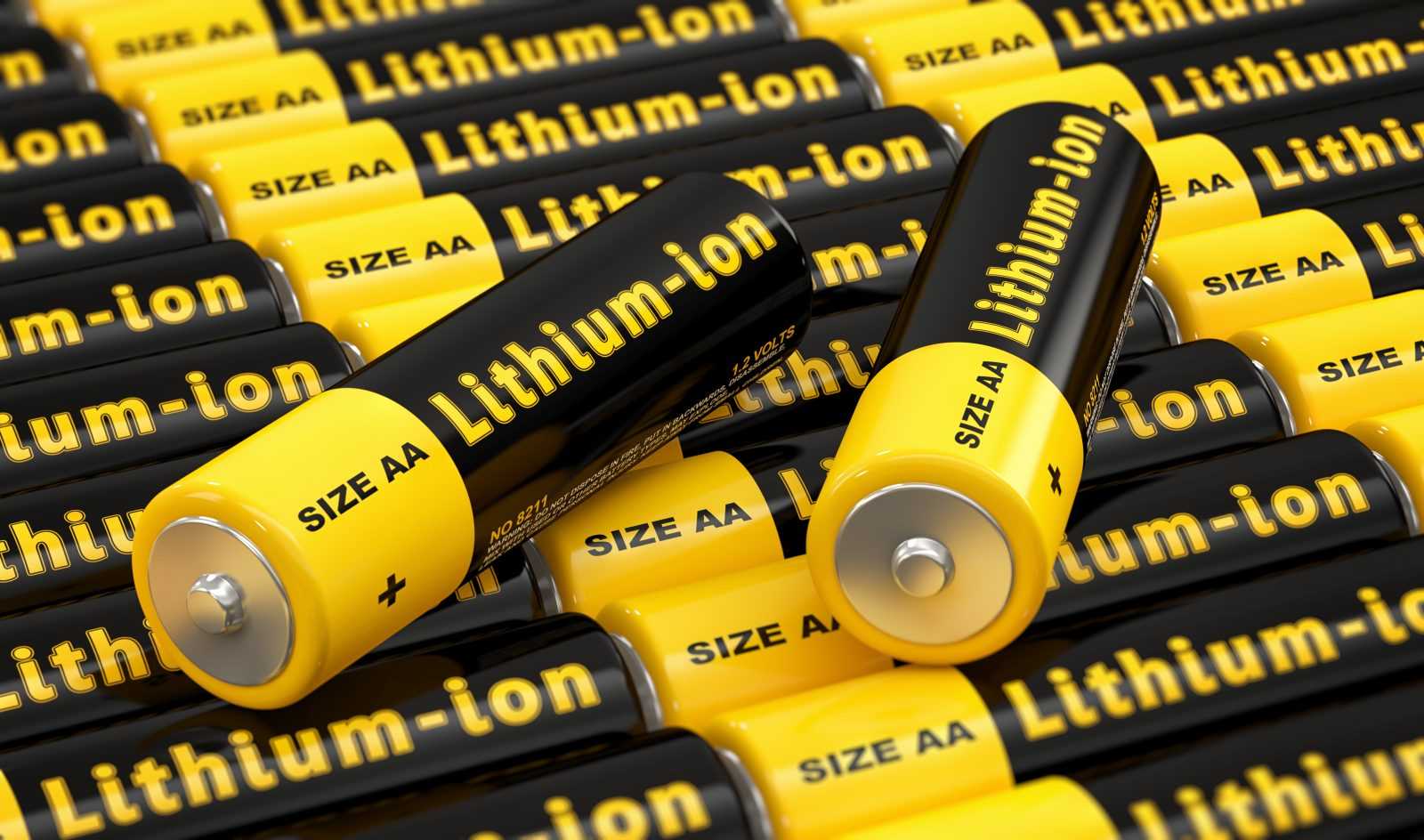
- Lithium-Ion Batteries (Li-ion): Rechargeable batteries commonly used in electronic products, such as smartphones, laptops, power banks, and EVs. These are the most prevalent type in consumer and industrial applications.
- Lithium Metal Batteries (Li-metal): Non-rechargeable batteries typically found in medical devices, watches, cameras, and other specialized equipment. These have higher energy density but require different handling due to their non-rechargeable nature.
Each type has unique shipping protocols, so identifying the battery type early ensures compliance with the correct standards.
Top 10 Leading Chinese Lithium Battery Suppliers
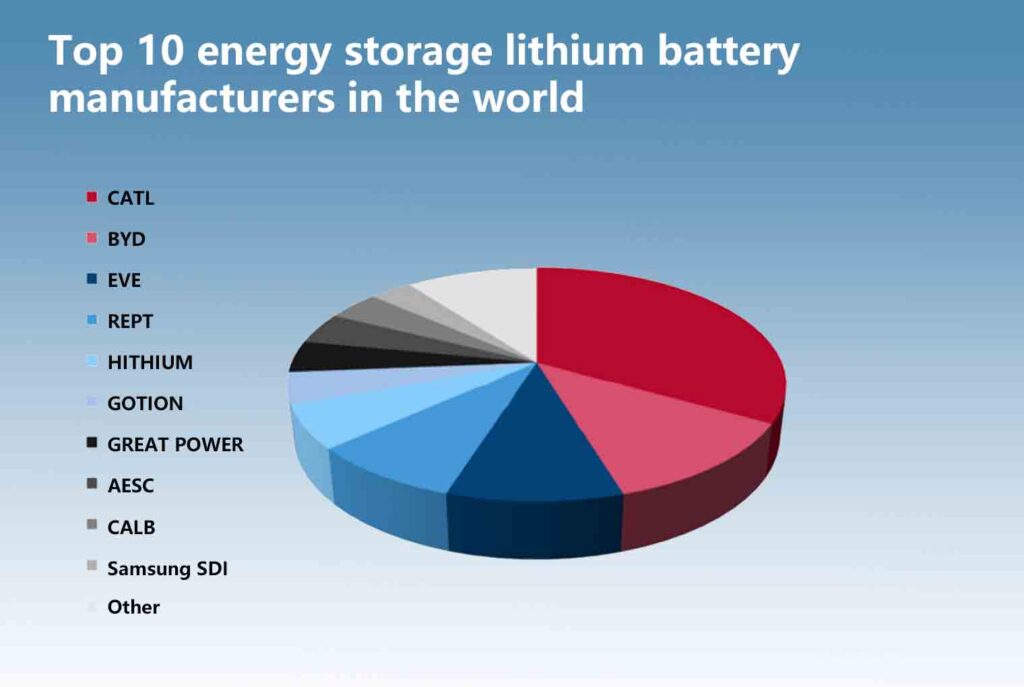
China is home to some of the world’s largest and most innovative lithium battery manufacturers, known for their advanced technology and global market dominance. Partnering with a reputable supplier is crucial for ensuring quality, compliance, and reliability. Here are the top 10 leading Chinese lithium battery suppliers:
- CATL (Contemporary Amperex Technology Co., Limited): The world’s largest lithium-ion battery manufacturer, specializing in EV batteries and energy storage systems.
- BYD (Build Your Dreams): A global leader in EVs and rechargeable batteries, known for its integrated supply chain and innovative Blade Battery technology.
- CALB (China Aviation Lithium Battery Co., Ltd.): Renowned for high-performance lithium-ion batteries for EVs, energy storage, and industrial applications.
- Gotion High-Tech: A major player in lithium-ion batteries for EVs and energy storage, with a focus on sustainability and innovation.
- EVE Energy: Specializes in lithium-ion batteries for consumer electronics, EVs, and energy storage, known for high reliability and global reach.
- Sunwoda: A key supplier of lithium batteries for consumer electronics, EVs, and power tools, with a strong focus on R&D.
- Farasis Energy: Focuses on high-energy-density batteries for EVs, with partnerships in global automotive markets.
- REPT Battero Energy: Specializes in lithium-ion batteries for EVs and energy storage, emphasizing safety and performance.
- SVOLT Energy Technology: A rising star in EV battery production, known for cobalt-free battery solutions.
- LG Energy Solution (China Operations): A global brand with significant manufacturing in China, supplying high-quality lithium-ion batteries for EVs and electronics.
Tip: When selecting a supplier, verify their export experience to your destination and request certifications like UN38.3 and MSDS to ensure compliance with international shipping standards.
Step-by-Step Guide to Importing Lithium Batteries
1. Finding a Reliable Supplier
Sourcing high-quality lithium batteries begins with identifying reputable manufacturers. In addition to the top 10 suppliers listed above, leverage B2B platforms to connect with verified manufacturers:
- Alibaba: Offers trade assurance and verified supplier listings.
- Made-in-China: Provides detailed company profiles, including production capabilities and export history.
- Global Sources: Connects buyers with verified Chinese suppliers, often specializing in electronics and batteries.
Tips for Choosing a Supplier:
2. Verify Compliance and Certifications
Lithium batteries must meet rigorous safety and performance standards to qualify for international shipping. Request the following certifications from your supplier:
- UN38.3 Certification: Mandatory for air and sea transport, verifying safety under conditions like altitude, thermal, vibration, shock, and short-circuit tests.
- IEC 62133 Certification: Ensures compliance with international electrical safety standards for lithium-ion batteries.
- Material Safety Data Sheet (MSDS): Details safe handling, storage, and shipping protocols.
- CE (Conformité Européenne): Required for EU imports, confirming compliance with EU safety standards.
- RoHS (Restriction of Hazardous Substances): Verifies that batteries are free from restricted materials.
- ISO 9001: Indicates adherence to quality management standards.
- Dangerous Goods Packaging Certificate (危包证): Known as the “Inspection Result Sheet for Outbound Dangerous Goods Transport Packaging,” this is required for Chinese exports, confirming that packaging meets international safety standards.
Pro Tip: Conduct third-party testing through organizations like SGS or Intertek to verify sample quality and compliance, minimizing risks of defects or customs rejections.
3. Partner with an Experienced Freight Forwarder
- Dangerous Goods Expertise: Proven experience with lithium battery exports to your destination.
- Regulatory Knowledge: Familiarity with IATA DGR (air) and IMDG Code (sea) regulations.
- Customs Clearance Support: Ability to handle import licenses, tariffs, and documentation.
- Global Network: Direct routes to key markets like the USA, Europe, Middle East, and Southeast Asia.
Why Avoid Direct Supplier Shipping? Suppliers may offer to arrange shipping, but this often includes higher costs due to profit margins and may lack the specialized logistics expertise needed for dangerous goods. A dedicated freight forwarder ensures compliance and efficiency.
4. Choose the Right Shipping Method
Select a shipping method based on your needs:
- Air Freight: Ideal for small, urgent shipments. Fast (4–7 days) but expensive, requiring UN38.3, MSDS, and IATA DGR compliance.
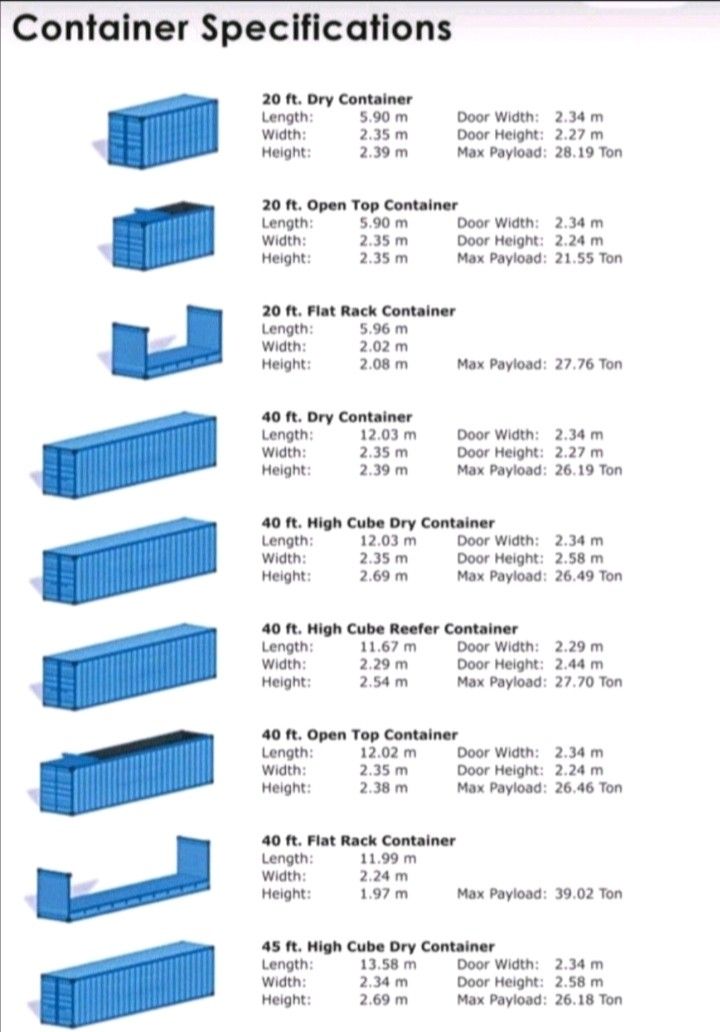
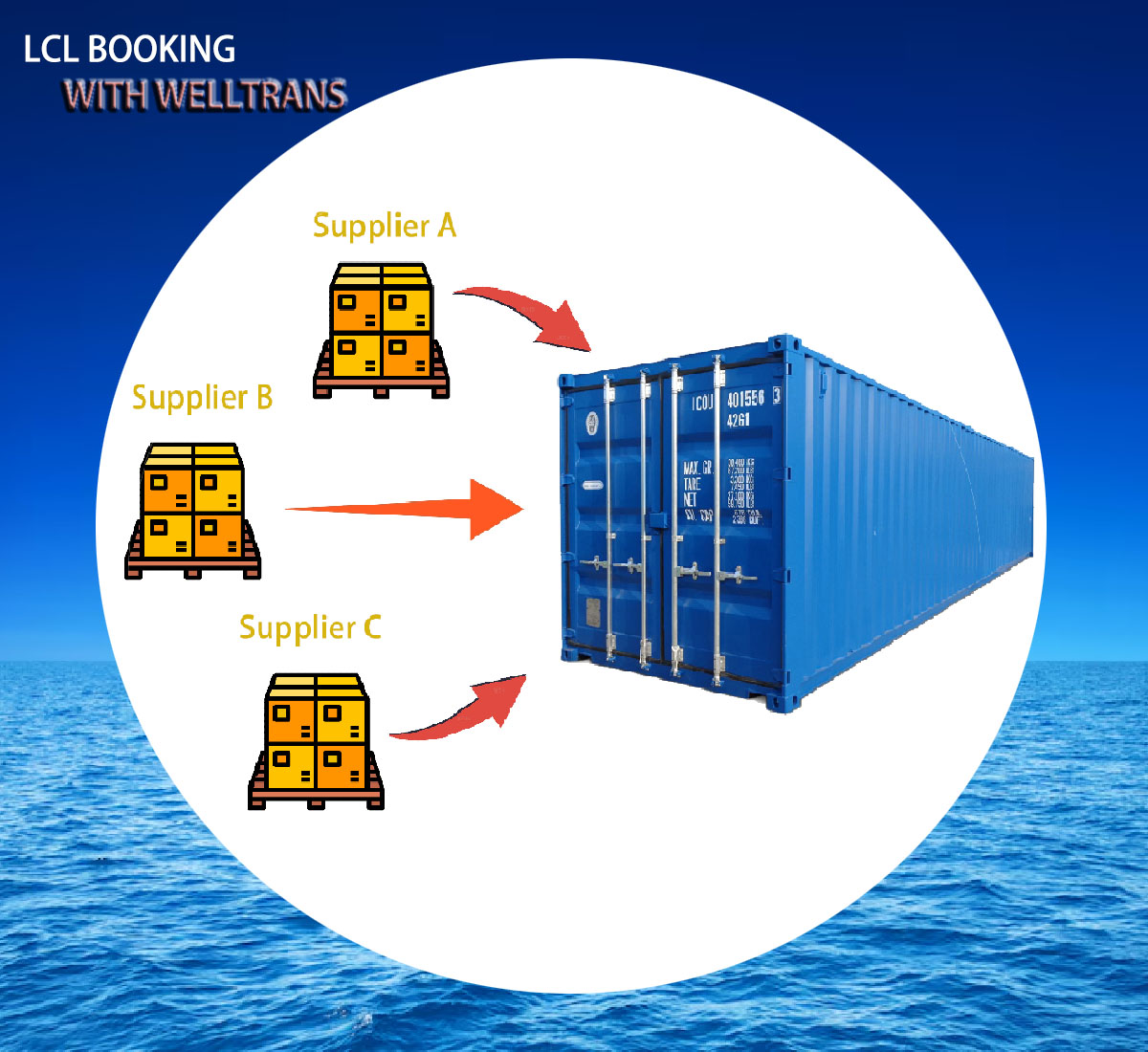
- Sea Freight (FCL/LCL): Cost-effective for bulk shipments, such as EV battery packs, taking 30–55 days. Requires an IMO Dangerous Goods Declaration.
- Express Freight (DHL, FedEx, UPS): Suitable for small batches or samples, with quick delivery (4–7 days) and weight limits (e.g., 10kg per carton for express, 30kg for UN cartons).
Considerations:
- Air freight is restricted on passenger flights, often requiring cargo-only aircraft.
- Sea freight is safer for large batteries but requires longer lead times.
- Express freight is convenient but may incur additional fees for oversized or heavy batteries.
5. Packaging Requirements
Proper packaging prevents risks like short circuits, crushing, or overheating. Compliance with UN38.3, IATA DGR, and Chinese export standards includes:
- Anti-Short Circuit Measures: Insulate positive and negative electrodes with tape or anti-static bags. Pack batteries individually or in separate compartments.
- Anti-Crushing Protection: Use new, sturdy outer cartons (not secondhand) with cushioning materials like foam or bubble wrap. For express shipping, cartons should not exceed 10kg; for UN cartons, 30kg.
- Temperature Control: Avoid direct sunlight and use temperature-controlled containers for sensitive batteries.
- Specialized Packaging for Sea Freight: High-wattage batteries require UN-approved wooden boxes or crates to meet IMDG standards.
- Chinese Export Requirement: Obtain the Dangerous Goods Packaging Certificate (危包证) to confirm that packaging meets international safety standards for export from China.
Example: For a shipment of lithium-ion batteries for drones, each battery should be wrapped in an anti-static bag, placed in an inner box, and secured in a sturdy outer carton with foam padding. For EV batteries shipped by sea, use UN-approved wooden crates.
6. Labeling Requirements
Proper labeling ensures safe handling and regulatory compliance:
- Class 9 Dangerous Goods Label: Required under IATA packing instructions (PI965 for lithium-ion batteries alone, PI966 for batteries with equipment, PI967 for batteries in equipment).
- Lithium Battery Handling Label: Displays the UN number (e.g., UN 3480 for lithium-ion, UN 3090 for lithium metal) and emergency contact information.
- Cargo Aircraft Only Label: Mandatory for large air shipments.
- Warning Labels: Include “Flammable,” “Dangerous to Health,” or “Poison” warnings on outer packaging.
- Product Information: Label batteries with the product name, manufacturer, and serial number.
7. Documentation for Shipping
Accurate documentation is critical to avoid customs delays or rejections. Required documents include:
- Shipper’s Declaration for Dangerous Goods: Confirms compliance with IATA or IMDG regulations.
- Material Safety Data Sheet (MSDS): Outlines safe handling and emergency procedures.
- UN38.3 Test Report: Verifies transport safety.
- Dangerous Goods Packaging Certificate (危包证): Required for Chinese exports, confirming packaging compliance.
- Commercial Invoice and Packing List: Details shipment contents, value, quantity, and destination.
- Certificate of Origin: May be required for customs clearance in certain countries.
- Air Waybill (for air freight) or Bill of Lading (for sea freight): Tracks the shipment.
- Consignee Details: Includes name, address, telephone number, and signature.
8. Customs Clearance and Duties
Upon arrival, provide all documentation, including the cargo manifest, MSDS, UN38.3 report, and Dangerous Goods Packaging Certificate. Import duties and taxes are based on the Harmonized System (HS) Code 8507.60.00:
| Region | Import Duty | VAT/GST |
|---|---|---|
| USA | 0%–3.4% | No VAT |
| EU | 2.7% | 19%–21% (varies by country) |
| UK | 2.7% | 20% VAT |
| Canada | 6% | 5% GST |
| Australia | 5% | 10% GST |
Example: Importing 1000kg of lithium-ion batteries to the EU may incur a 2.7% duty plus 19%–21% VAT, depending on the country.
9. Final Delivery
After customs clearance, arrange safe delivery to the consignee. Verify that packaging remains intact and compliant upon arrival. Use secure transport services for high-value shipments to minimize risks.
Cost of Shipping Lithium Batteries
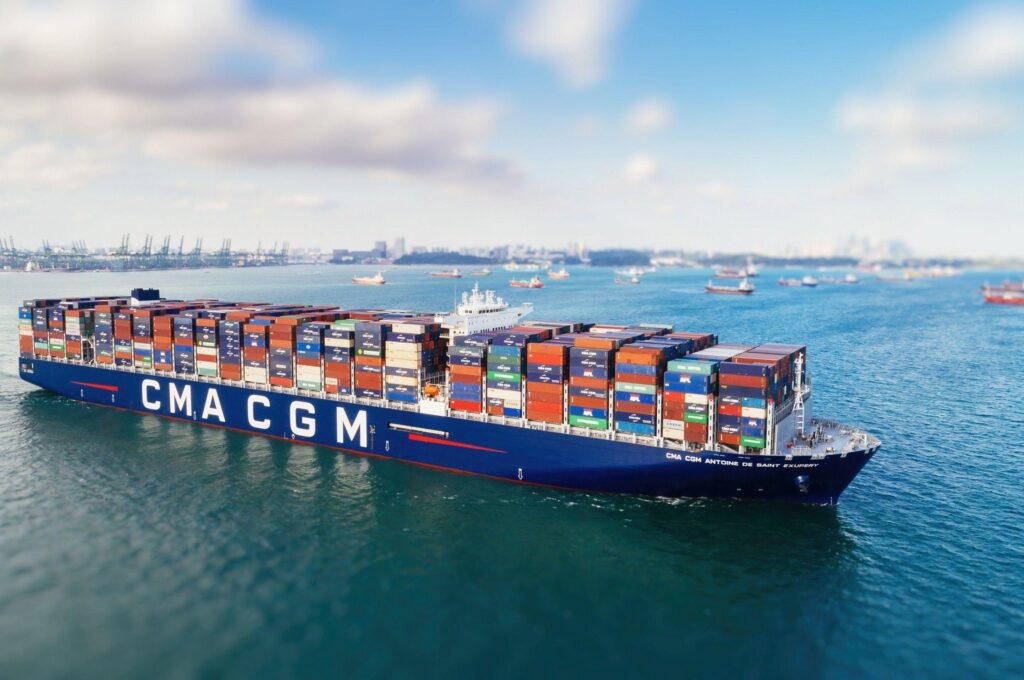
Shipping costs vary by method, weight, volume, and destination:
- Express Freight: $7–10/kg, ideal for small, urgent shipments.
- Sea Freight: $3–4/kg, cost-effective for bulk orders.
- Additional Costs: Include customs duties, specialized packaging, documentation fees, and insurance.
Example: Shipping 50kg of lithium-ion batteries via DHL Express to the USA may cost $350–$500, while a 1000kg sea freight shipment to Europe could cost $3000–$4000, excluding duties.
Shipping Timeframes
- Express Freight: 4–7 days.
- Air Freight: 5–10 days, including customs processing.
- Sea Freight: 30–55 days, depending on the route and port.
Plan for production, shipping, and customs clearance lead times to meet deadlines.
Tips for Saving on Shipping Costs
- Optimize Packaging: Use compliant, lightweight packaging to reduce costs.
- Avoid Peak Seasons: Schedule shipments outside Chinese holidays to avoid rate spikes.
- Source from Licensed Manufacturers: Ensure complete certifications to avoid re-testing costs.
- Use EXW Terms with DDP Shipping: Let your freight forwarder handle door-to-door delivery to streamline costs.
- Consolidate Shipments: Combine orders to reduce per-unit costs.
- Compare Freight Options: Request quotes for express, air, and sea freight to find the best balance of cost and speed.
Do I Need Insurance for Lithium Battery Shipments?
Yes, cargo insurance is highly recommended. Lithium batteries are high-value products, and risks like loss, damage, or theft can occur. Insurance (typically 1–2% of shipment value) covers potential losses, providing peace of mind.
FAQs About Shipping Lithium Batteries
How do I ship items with lithium batteries?
Use compliant packaging, proper labeling, and a freight forwarder experienced in dangerous goods. Insulate batteries to prevent leaks or fires.
Can FedEx ship lithium-ion batteries?
Yes, FedEx offers reliable services with fast delivery (4–7 days), though weight restrictions apply.
Must lithium batteries be shipped in a box?
Yes, batteries must be individually wrapped in anti-static bags and placed in sturdy, compliant boxes.
Can lithium batteries be shipped internationally?
Yes, but air transport on passenger flights is restricted. Sea or ground transport is safer for large shipments.
Does DHL ship lithium batteries?
Yes, DHL ships lithium batteries, but additional fees may apply for oversized shipments.
What documents are required?
You need a Shipper’s Declaration, MSDS, UN38.3 test report, Dangerous Goods Packaging Certificate, commercial invoice, packing list, and consignee details.
Why Choose Welltrans Logistics?
Welltrans Logistics offers expert solutions for shipping lithium batteries:
- Dangerous Goods Expertise: Over 10 years of experience ensuring compliance with IATA, IMO, and UN regulations.
- Customs Clearance Support: Handles import licenses, tariffs, and documentation.
- Flexible Shipping Options: Air, sea, and express services tailored to your needs.
- Global Network: Direct routes to the USA, Europe, Middle East, Southeast Asia, and beyond.
- Real-Time Tracking: 24/7 support with end-to-end visibility.