
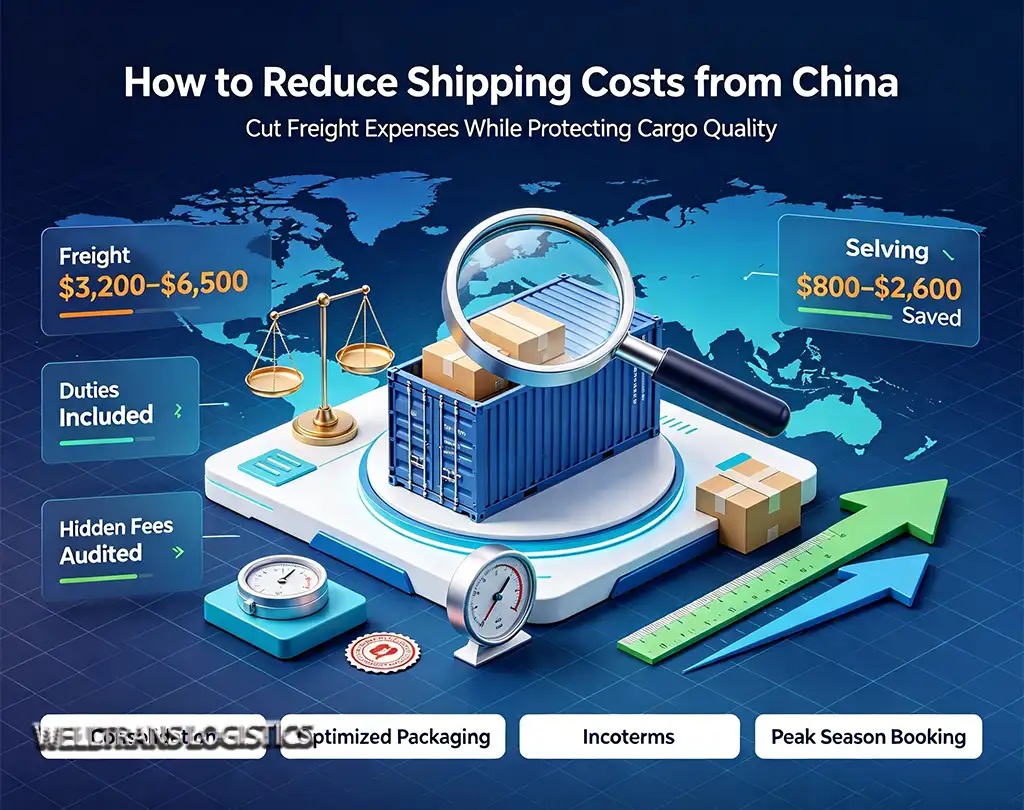
You can reduce shipping costs from China by 20–40% without cutting corners by choosing sea over air freight, consolidating LCL into FCL, negotiating better Incoterms, optimizing packaging weight, and shipping during off-peak periods. For a typical 40-foot container import, these strategies save $800–$2,600 per shipment while maintaining the same cargo quality and delivery reliability.
Many importers assume that cheaper shipping means slower delivery or riskier handling. That is rarely true—most cost savings come from smarter logistics decisions, not from downgrading service. This guide covers six proven tactics that cut your freight bill without compromising product quality, transit speed, or customs compliance.
Why Shipping Costs from China Are Higher Than They Need to Be
Most importers overpay for shipping from China because of five avoidable mistakes: using air freight when sea freight would do, shipping multiple small LCL orders instead of consolidating, accepting EXW terms that add hidden inland transport markups, paying for oversized packaging that inflates volumetric weight, and shipping during peak season when rates spike 15–30%.
Before diving into solutions, understand the main cost drivers in your freight quote:
- Shipping method: Air freight costs 3–5× more than sea freight per kg
- Container utilization: LCL costs 30–50% more per CBM than FCL
- Seasonality: Peak season (Aug–Oct) adds 15–30% to ocean rates
- Cargo volume vs. weight: Bulky but light cargo is charged by volume, not actual weight
- Incoterm markup: EXW means your supplier marks up inland China transport
6 Proven Strategies to Reduce Shipping Costs from China
1. Switch from Air Freight to Sea Freight for Routine Shipments
Air freight from China costs $5–$8 per kg, while sea freight costs $120–$180 per CBM (equivalent to about $1–$2 per kg for typical density cargo). For any shipment over 100 kg that is not urgent, sea freight saves 60–75%. Use air freight only for urgent restocks, peak-season emergencies, or products with a retail price above $50 per kg.
| Shipment Weight | Air Freight Cost | Sea Freight Cost | Savings |
|---|---|---|---|
| 200 kg | $1,000–$1,600 | $250–$400 | $600–$1,200 |
| 500 kg | $2,500–$4,000 | $500–$800 | $1,700–$3,200 |
| 1,000 kg | $5,000–$8,000 | $900–$1,500 | $3,500–$6,500 |
Compare current rates for ocean freight and air freight services to find the right balance for your shipment.
2. Consolidate LCL Shipments into FCL Containers
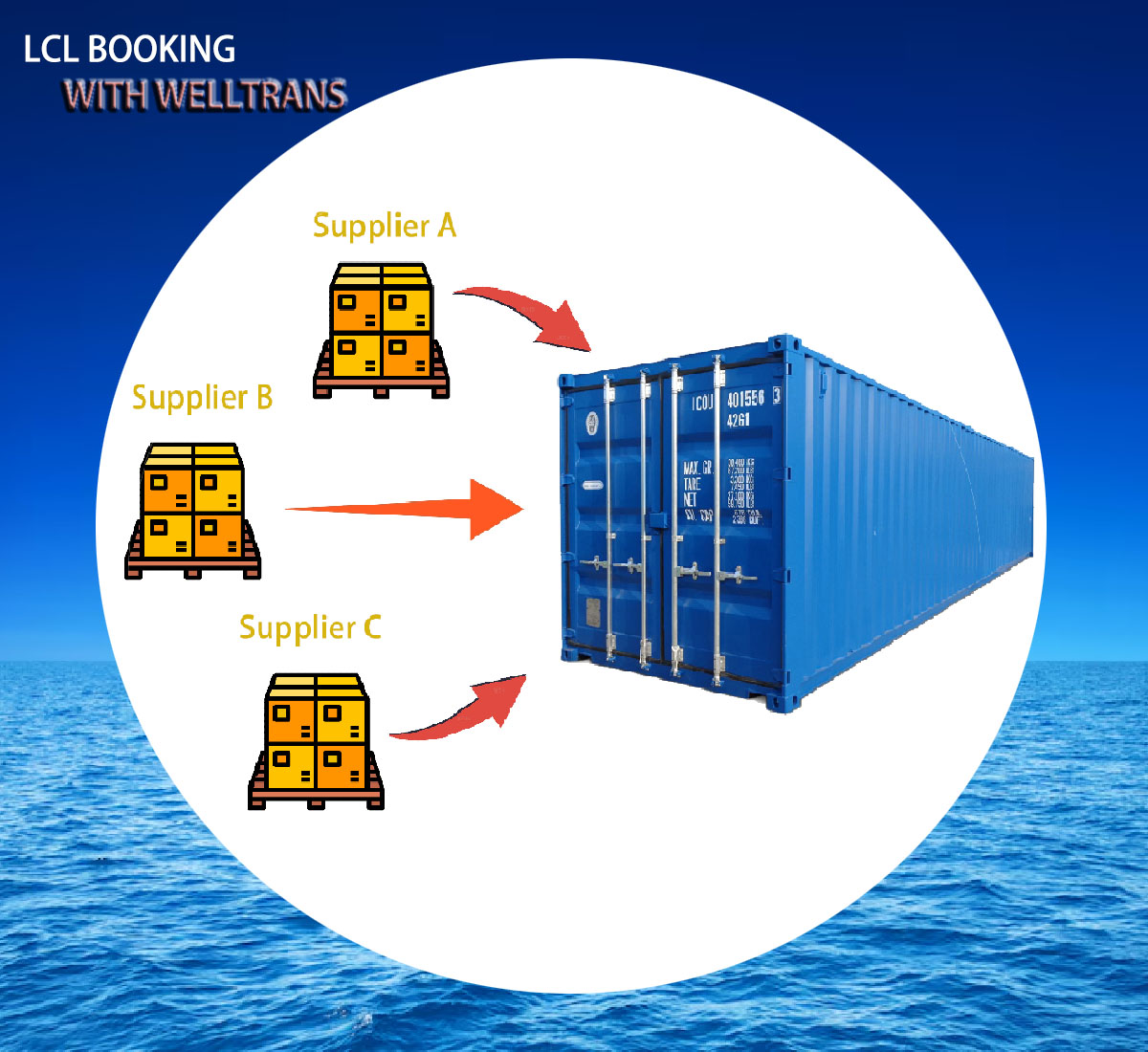
LCL (Less than Container Load) is convenient for small orders, but it costs 30–50% more per CBM than FCL (Full Container Load) because you pay for consolidation, deconsolidation, and warehouse handling at both ends. If your total cargo volume exceeds 15 CBM, booking a 20-foot FCL container is almost always cheaper—even if the container is not completely full.
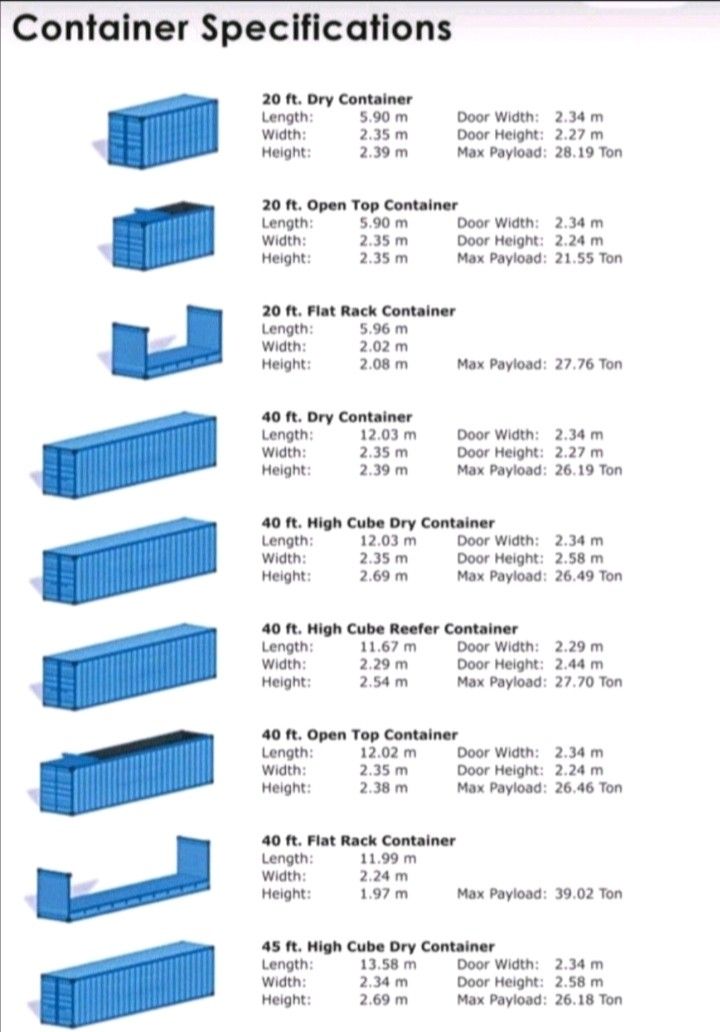
A 20-foot container holds about 28–30 CBM. If you are shipping 20 CBM via LCL at $150/CBM, that costs $3,000. An FCL 20ft at $2,800 saves you $200—and FCL cargo is handled less, reducing damage risk. This is a clear case where cheaper shipping also means better quality.
| Volume | LCL Cost | FCL 20ft Cost | Recommendation |
|---|---|---|---|
| 5 CBM | $600–$900 | $2,800–$4,500 | Use LCL |
| 10 CBM | $1,200–$1,800 | $2,800–$4,500 | Borderline—compare quotes |
| 15+ CBM | $1,800–$2,700 | $2,800–$4,500 | Use FCL |
| 28+ CBM | $3,360–$5,040 | $2,800–$4,500 | Always use FCL |
3. Negotiate Better Incoterms with Your Supplier
The Incoterm you agree on with your Chinese supplier directly affects your shipping cost. Many suppliers quote EXW (Ex Works), which means you pay for everything from the factory door—including inland trucking from the factory to the port, which the supplier marks up 15–25%.
Instead, negotiate for FOB (Free on Board)—your supplier covers factory-to-port transport and export clearance, and you arrange international freight yourself or through your forwarder. This eliminates the supplier’s inland markup and gives you control over freight costs.
For maximum convenience and cost predictability, request DDP (Delivered Duty Paid) from your freight forwarder. DDP bundles freight, duties, customs, and delivery into one price—eliminating separate customs broker fees ($150–$300 per shipment) and demurrage risk. Learn more in our DDP shipping guide.
4. Optimize Packaging to Reduce Volumetric Weight
Air freight and LCL sea freight charge by volumetric weight (dimensions), not just actual weight. Bulky, lightweight products cost more to ship than dense, heavy ones. Reducing your packaging size by even 10% can cut freight costs by 10–15%.
Practical packaging optimization tips:
- Remove unnecessary packaging layers: Many Chinese factories over-pack with extra cardboard and foam. Ask your supplier to use snug-fitting boxes.
- Use flat-pack designs: If your product can be disassembled for shipping, flat-packing reduces volume by 30–50%.
- Switch to lighter materials: Replace heavy wooden crates with corrugated cardboard or vacuum-sealed bags where protection allows.
- Stack and nest products: Design packaging so items nest inside each other, maximizing units per carton.
- Audit carton fill rate: Aim for 95%+ carton fill—empty space means you’re paying to ship air.
For a shipment of 1,000 units, reducing carton size from 50×40×30 cm to 45×36×27 cm cuts total volume by 27%—saving $400–$800 on LCL freight.
5. Ship During Off-Peak Periods
Ocean freight rates from China spike 15–30% during peak season (August–October) as retailers rush holiday inventory before Black Friday and Christmas. Shipping in the off-season (January–July) saves significantly and avoids port congestion delays.
| Period | FCL 40ft Rate (China→USA) | vs. Off-Peak |
|---|---|---|
| Off-peak (Jan–Jul) | $3,200–$4,500 | Baseline |
| Pre-peak (Aug) | $3,800–$5,200 | +15% |
| Peak (Sep–Oct) | $4,200–$6,500 | +30% |
| Post-peak (Nov–Dec) | $3,500–$4,800 | +8% |
If you must ship during peak season, book 4–6 weeks in advance to lock in rates and secure vessel space. Last-minute peak-season bookings often cost 20% more than pre-booked rates.
6. Use a China Warehouse for Consolidation
If you source from multiple suppliers, shipping each order separately means multiple LCL fees, multiple customs entries, and multiple last-mile deliveries. A China warehouse consolidates all your orders into one shipment—reducing per-unit freight by 20–35% and cutting customs broker fees from 3×$200 to 1×$200.
Consolidation also allows quality inspection before goods leave China. Your forwarder inspects each supplier’s batch at the warehouse, so defective goods are caught and replaced before you pay international freight on them. This saves both shipping costs and return logistics.
Hidden Fees That Inflate Your Shipping Cost
Beyond the base freight rate, these charges quietly add 10–20% to your total shipping cost. Audit your quotes to ensure you’re not overpaying:
- Destination port charges (THC): $150–$400 per container—sometimes quoted separately
- Customs broker fee: $150–$300 per shipment (eliminated with DDP)
- Demurrage & detention: $75–$200/day if your container sits at port past free days
- ISF filing fee: $25–$50 per shipment (included in most DDP quotes)
- Palletizing: $25–$45 per pallet (required for Amazon FBA delivery)
- Fuel surcharges (BAF): Fluctuates with oil prices—can add $200–$600 per container
When comparing freight quotes, always ask for an all-inclusive rate that lists every fee. Quotes that look cheaper often exclude destination charges that appear on your final invoice.
Common Mistakes That Increase Shipping Costs
- Defaulting to air freight: Many sellers ship everything by air out of habit. Analyze each product’s urgency—most routine restocks can go by sea with no sales impact.
- Not comparing LCL vs FCL: Importers shipping 15+ CBM via LCL because “it’s not a full container” waste $200–$800 per shipment.
- Accepting EXW without questioning: EXW gives your supplier a 15–25% markup on inland transport. Switch to FOB and save.
- Ignoring volumetric weight: Shipping bulky packaging means paying for air. A 10% packaging reduction saves 10–15% on freight.
- Last-minute peak-season booking: Booking in September for October shipment costs 20% more than pre-booking in July.
FAQ: Reducing Shipping Costs from China
How much can I save by reducing shipping costs from China?
Importers can save 20–40% on shipping costs by switching from air to sea freight, consolidating LCL into FCL, optimizing packaging, and shipping off-peak. For a 40ft container, these strategies save $800–$2,600 per shipment without reducing service quality or delivery reliability.Is sea freight always cheaper than air freight from China?
Sea freight is 60–75% cheaper than air freight for shipments over 100 kg. However, for urgent restocks, lightweight high-value products, or shipments under 45 kg, air freight may be more cost-effective. The break-even point is typically around 100 kg—below that, air freight’s speed and simplicity may justify the cost.When should I switch from LCL to FCL shipping?
Switch from LCL to FCL when your cargo volume exceeds 15 CBM. At that point, a 20-foot FCL container (28–30 CBM capacity) costs less per CBM than LCL, even if the container is not full. FCL also reduces handling, lowering damage risk and improving cargo quality.Does DDP shipping cost more than FOB?
DDP appears more expensive on the quote because it includes duties, customs broker fees, and last-mile delivery. But when you add up FOB freight plus your own customs broker ($150–$300), duty payments, and inland trucking, DDP is often comparable—and eliminates demurrage risk and surprise fees.How does packaging affect shipping cost from China?
Air freight and LCL sea freight charge by volumetric weight (dimensions), not just actual weight. Reducing carton size by 10% cuts freight costs by 10–15%. Use snug packaging, flat-pack designs, and lightweight materials to minimize volumetric weight and lower your per-unit shipping cost.What is the cheapest time to ship from China?
The cheapest time to ship from China is January through July (off-peak season). Ocean freight rates are 15–30% lower than during peak season (August–October). Booking 4–6 weeks in advance during any season also locks in better rates than last-minute bookings.
Start Saving on Your China Shipping Costs
Welltrans Logistics helps importers cut shipping costs by 20–40% through smart consolidation, DDP customs clearance, and optimized freight routing. We provide all-inclusive quotes with every fee listed upfront—no hidden charges, no surprises. Whether you need ocean freight, Amazon FBA shipping, or warehouse consolidation in China, we find the most cost-effective route for your cargo.
Get your free cost-saving shipping quote: Contact Welltrans Logistics or message us on WhatsApp for an all-inclusive rate within 24 hours.
More resources: Shipping from China to USA · DDP shipping · Door-to-door shipping