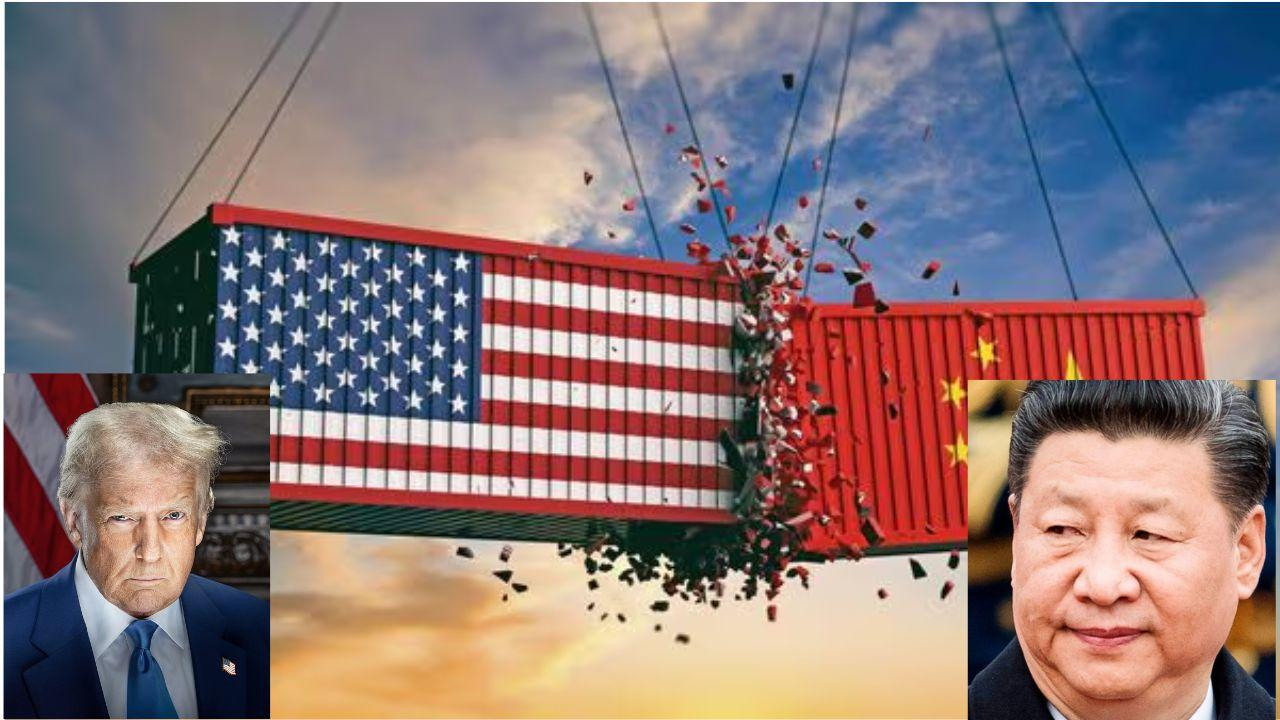


As U.S. President Donald Trump prepares for his upcoming visit to China this week, many companies involved in international trade are closely watching the situation. For importers, exporters, freight forwarders, and supply chain businesses, this is not just another political headline. The meeting could directly affect tariffs, shipping demand, freight costs, and cargo movement between China and the United States.
After several years of changing tariff policies and global supply chain adjustments, many importers are hoping this visit may help bring more stability to China-US trade in 2026.
For businesses sourcing products from China, especially in industries such as electronics, machinery, automotive parts, batteries, consumer goods, and home products, the outcome of these talks may influence purchasing plans for the second half of the year.
If your cargo is already in transit, you can also check shipment updates through our cargo tracking system.
Why the Trump-Xi Meeting Matters for Global Trade
According to multiple international news reports, the upcoming discussions may include topics such as:
- Tariff policies
- Rare earth exports
- Supply chain security
- Technology cooperation
- Investment policies
- Trade stability
- Manufacturing cooperation
For the freight forwarding industry, even small policy changes between China and the United States can quickly affect:
- Ocean freight rates
- Container booking demand
- Warehouse capacity
- Truck availability
- Shipping schedules
- Port congestion
Many logistics companies still remember how previous tariff adjustments triggered sudden cargo surges as importers rushed shipments before new duties took effect.
That situation caused container shortages, rising freight rates, and tight booking space across major shipping routes from China to the United States.
China-US Shipping Demand Could Increase Again
Over the past year, some overseas buyers reduced direct sourcing from China because of tariff pressure and geopolitical concerns. However, China remains one of the world’s largest manufacturing and export centers.
Many importers still rely heavily on China for products such as:
- Consumer electronics
- Industrial machinery
- Automotive components
- Batteries and EV products
- Home appliances
- Furniture and building materials
From a freight forwarder’s perspective, most buyers are no longer asking whether they should source from China. Instead, they are asking:
- How to reduce shipping costs
- How to avoid delays
- How to improve customs clearance efficiency
- How to maintain stable supply chains
That is why logistics solutions such as sea freight from China to USA and door to door shipping from China to USA continue seeing stable demand from overseas importers.
Will Tariff Policies Change After the Visit?
At the moment, nobody can guarantee major tariff reductions. But many businesses are hoping for a more predictable trade environment.
Even temporary stability between China and the United States can help companies improve:
- Inventory planning
- Procurement schedules
- Shipping arrangements
- Annual budgeting
- Freight forecasting
For importers, predictability is often more important than short-term market reactions.
Over the past few years, the global logistics industry has already experienced enough uncertainty, including:
- Port congestion
- Red Sea shipping disruptions
- Container shortages
- Insurance cost increases
- Global geopolitical tensions
Because of this, many buyers are carefully monitoring any signals that may affect future China-US trade policies.
What Freight Forwarders Are Watching Closely
Inside the logistics industry, freight forwarders and shipping companies are paying attention to several important areas during this visit.
1. Future Tariff Direction
If both countries signal a softer trade approach, some importers may increase purchase orders before the traditional peak shipping season begins.
2. Supply Chain and Technology Cooperation
China remains critical in several global supply chains, especially for electronics, batteries, machinery, and new energy products.
Any changes in export controls or trade restrictions could directly impact global cargo movement.
3. Ocean Freight Market Trends
Shipping lines usually react very quickly to major trade developments.
If China-US cargo demand increases again, the market could experience:
- Higher freight rates
- Tighter booking space
- Equipment shortages
- Longer transit times
Many importers already monitor container shipping rates from China to USA to better understand current market conditions before arranging shipments.
China Continues to Play a Major Role in Global Manufacturing
Despite ongoing trade tensions, China still remains one of the world’s most important manufacturing hubs.
Many exporters have adapted over the past few years by:
- Diversifying overseas markets
- Improving supply chain flexibility
- Optimizing logistics operations
- Adjusting customs strategies
From daily freight operations, logistics providers still see stable shipping demand for:
- Full container load shipments
- LCL cargo consolidation
- Battery cargo exports
- Automotive shipping
- Amazon FBA logistics
- Project cargo transportation
This explains why many overseas buyers continue maintaining long-term sourcing relationships with Chinese suppliers.
What Importers Should Focus on Right Now
For companies importing products from China in 2026, the best strategy is usually not panic buying or stopping procurement completely.
Instead, experienced importers are focusing more on:
- Flexible inventory management
- Stable logistics partnerships
- Diversified shipping methods
- Customs compliance
- Freight cost control
Many companies are also using flexible logistics solutions such as LCL freight from China to USA to better manage smaller cargo volumes and reduce shipping costs during uncertain market conditions.
In actual international shipping operations, companies that prepare early usually avoid the biggest disruptions later.
Final Thoughts
Trump’s upcoming China visit could become one of the most closely watched trade events of 2026 for the logistics and freight forwarding industry.
Although nobody expects overnight changes, businesses across global supply chains are hoping the meeting may help improve trade stability between the world’s two largest economies.
For importers, exporters, and freight forwarders, the real focus remains very practical:
- Stable shipping schedules
- Manageable tariffs
- Reliable supply chains
- Reasonable freight costs
- Predictable logistics operations
Because in international logistics, long-term stability is usually far more valuable than short-term market reactions.
Frequently Asked Questions
1. Will Trump’s China visit reduce tariffs in 2026?
There is currently no official confirmation, but many businesses are hoping for a more stable trade environment.
2. Could shipping costs increase after the visit?
If cargo demand rises sharply, freight rates and booking demand may increase during peak season.
3. Why does this meeting matter for freight forwarders?
China-US trade policies directly affect shipping demand, container availability, and freight market conditions.
4. Is China still an important sourcing market?
Yes. China remains one of the world’s largest manufacturing and export hubs.
5. What industries may benefit most from improved trade relations?
Electronics, machinery, automotive parts, batteries, and consumer goods may all benefit from improved trade stability.
6. How can importers reduce logistics risks in 2026?
Working with stable freight forwarders and planning shipments early can help reduce risks.
7. Are freight rates expected to rise later this year?
The market may become tighter if shipping demand increases before peak season.
8. What shipping method is most commonly used between China and the USA?
Sea freight remains the most widely used and cost-effective option for international cargo transportation.
9. Can smaller cargo shipments still save money?
Yes. Many importers use LCL freight services to reduce costs for smaller shipments.
10. How can I track my cargo shipment?
You can check shipment updates through our online cargo tracking platform.