
ONE-STOP GLOBAL LOGISTICS PROVIDER
Best shipping services provider in China.
Introduction
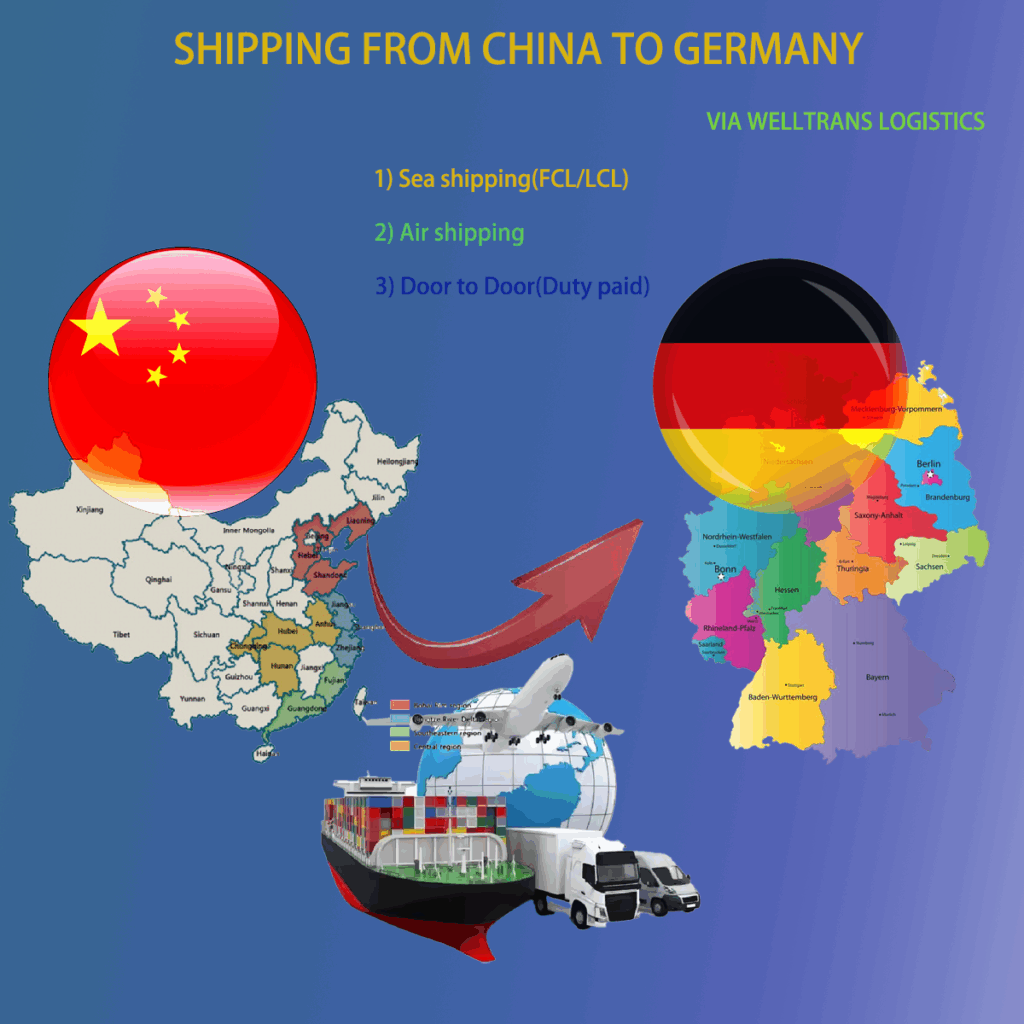
Are you planning to ship goods from China to Germany? At Welltrans Logistics, we specialize in reliable, cost-effective freight solutions tailored to your business needs. Whether you’re shipping full containers (FCL), smaller loads (LCL), or time-sensitive goods by air or rail, understanding the full process of shipping from China to Germany is essential for smooth, efficient delivery.
In this comprehensive guide, we’ll walk you through available shipping methods, estimated transit times, cost breakdowns, customs clearance procedures in Germany, and how to work with a trusted China freight forwarder. Whether you’re a first-time importer or a seasoned buyer, this page will help you make smart logistics decisions and avoid costly delays.
Why Ship from China to Germany?
🔑 trade between China and Germany, top Chinese exports to Germany
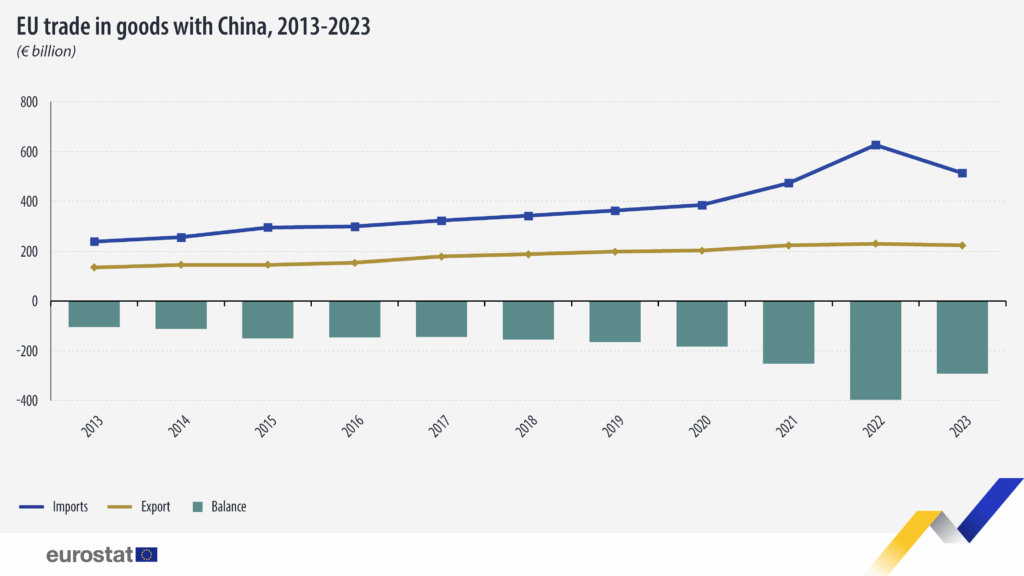
Growing Trade Between China and the EU
Trade between China and the European Union has seen significant growth in recent years, with both sides recognizing each other as crucial trading partners. While the EU is a major market for Chinese goods, China also holds significant importance for the EU as a trading partner and supplier of goods. Despite some trade imbalances and political complexities, both sides are actively working to strengthen their economic and trade ties.
Top Products Shipped from China to Germany
- Electronics: Phones, accessories, and batteries – usually shipped by air for speed and require CE certification.
- Furniture: Bulky but low urgency, ideal for sea freight (FCL or LCL).
- Clothing & Textiles: Fashion items shipped by sea or air, often using DDP for smooth delivery.
- Machinery: Industrial equipment and spare parts shipped by sea, often requiring special documents.
- Consumer Goods & Toys: High-volume items shipped efficiently with optimized container loading.
China as a Global Manufacturing & Export Hub
China is widely known as the world’s largest manufacturing base and exporter. From electronics and textiles to machinery and furniture, Chinese factories supply goods to nearly every country across the globe — with Germany being one of the key importers in Europe.
Thanks to its advanced production capacity, strong supply chain, and competitive pricing, sourcing products from China remains the top choice for global businesses. With thousands of suppliers and world-class ports like Shanghai, Shenzhen, and Ningbo, China enables efficient large-scale exports.
At Welltrans Logistics, we help bridge the gap between Chinese manufacturers and global buyers by offering seamless shipping solutions from China to Germany — whether by sea, air, or rail.
Best Ways to Ship from China to Germany
Compare sea, air, and rail freight options for your cargo
Sea Freight – FCL and LCL
Sea freight is the most economical shipping method from China to Germany, especially for bulk cargo. You can choose between:
- FCL (Full Container Load): Best for large shipments that can fill an entire 20ft or 40ft container. Offers better security, faster transit, and fixed pricing.
- LCL (Less than Container Load): Ideal for smaller shipments that don’t require a full container. Cargo is consolidated with other shipments, making it cost-effective for lower volumes.
Transit time: 25–40 days, depending on the port and service type.
Popular routes: Shanghai/Ningbo/Shenzhen to Hamburg/Bremerhaven.
Air Freight – Fast but Costly
Air freight is the fastest shipping option, ideal for time-sensitive or high-value goods such as electronics, samples, or medical devices.
- Transit time: Typically 3–7 days from major Chinese airports to Frankfurt or Berlin.
- Cost: Higher than sea or rail freight, but reliable and predictable.
We provide air freight solutions from major hubs like Guangzhou (CAN), Shanghai (PVG), and Hong Kong (HKG), with daily departures to Germany.
Rail Freight – China-Europe Express
Rail freight offers a perfect balance between cost and speed, ideal for medium-sized shipments that require faster delivery than sea freight but lower cost than air.
- Transit time: Around 15–20 days from China to Germany.
- Routes: Popular routes include Yiwu – Duisburg, Zhengzhou – Hamburg.
Rail freight supports both FCL and LCL. It’s especially popular for consumer electronics, clothing, and eCommerce inventory shipments to the EU.
Express Courier Services
For small parcels, samples, or urgent deliveries, express courier services like DHL, FedEx, UPS, and SF Express offer door-to-door shipping from China to Germany in just 3–6 days.
- Best for low-volume, lightweight goods
- Includes customs clearance and tracking
- DDP (Delivered Duty Paid) options available
We offer discounted rates and daily pickup services from major Chinese cities for your express shipping needs.

Shipping Method Comparison – China to Germany
| Method | Transit Time | Cost Estimate | Ideal For |
|---|---|---|---|
| Sea Freight (FCL) | 25–40 days | 20′: US $1,800–2,800 40′: US $2,800–4,500 | Bulk shipments, furniture, machinery |
| Sea Freight (LCL) | 30–45 days | US $75–125/m³ | Small volumes, mixed cargo |
| Air Freight | 3–7 days | US $3.50–6.00/kg (avg US $3.90/kg) | High-value, urgent goods (electronics, samples) |
| Rail Freight | 15–25 days | ~ US $180–240/m³ | Mid-sized e‑commerce loads, in‑between cost/time balance |
| Express Courier | 3–6 days | Air courier (e.g. DHL/FedEx): US $6–10/kg | Small parcels, samples, urgent deliveries |
Summary:
- Sea Freight FCL offers the lowest per-unit cost for large shipments, ideal for non-urgent cargo like machinery or furniture.
- LCL is cost-effective for smaller loads but takes a bit longer.
- Air Freight is fast and reliable for valuable items, averaging around US $3.90/kg, though costlier.
- Rail Freight balances speed (15–25 days) and cost (~US $180–240/m³) — great for mid-sized e‑commerce shipments.
- Express Courier services are best for small, urgent parcels, with rates typically between US $6–10/kg.
Choose based on your shipment size, urgency, and budget—or contact us for a free personalized quote!
Sea Freight from China to Germany
🔑 sea freight from China to Germany, FCL shipping to Germany, LCL cost to Germany
Best Ports in China & Germany
When shipping goods by sea from China to Germany, choosing the right ports can improve cost efficiency and reduce transit time.
Major ports in China:
- Shanghai – the world’s busiest container port, ideal for East China manufacturers.
- Shenzhen – perfect for exports from South China (Guangdong, Fujian).
- Ningbo – well-connected, efficient, and cost-competitive.
- Qingdao / Xiamen / Tianjin – alternative gateways depending on supplier location.
Key German destination ports:
- Hamburg – Germany’s largest port and Europe’s logistics hub.
- Bremerhaven – ideal for FCL shipments and fast rail distribution across Europe.
At Welltrans, we offer flexible routing from all major Chinese ports based on your cargo readiness and destination.
Transit Times & Shipping Schedule
Transit times for sea freight from China to Germany typically range from 25 to 40 days, depending on:
- Port of origin and destination
- Direct vs transshipment routes
- Weather and port congestion
- Customs clearance readiness
Average sea freight durations:
- Shanghai to Hamburg: ~30–35 days
- Shenzhen to Bremerhaven: ~28–32 days
- Ningbo to Hamburg: ~32–38 days
We work with top carriers such as Maersk, MSC, and COSCO, offering weekly sailings with flexible cut-off schedules and real-time tracking.
FCL vs LCL – What’s Right for You?
Choosing between FCL (Full Container Load) and LCL (Less than Container Load) depends on your shipment volume, urgency, and handling needs:
- FCL is ideal for larger shipments that can fill a 20ft or 40ft container. It offers better security, faster transit, and fixed pricing.
- LCL is more suitable for smaller shipments. Your cargo shares space with others, which may slightly increase handling time and risk of delay.
| Mode | Best For | Volume | Cost Efficiency |
|---|---|---|---|
| FCL | Full loads, fragile cargo | 15–30 CBM+ | High, per CBM rate lower |
| LCL | Small batches, startups | 1–15 CBM | Flexible, per CBM rate higher |
Our team can help you determine the most cost-effective solution based on your cargo size and delivery deadlines.
Sample Sea Freight Cost Estimates
While exact sea freight rates fluctuate due to fuel costs, port conditions, and seasonal demand, here’s a general idea of recent average rates:
- FCL 20ft container: USD $1,800–2,800
- FCL 40ft container: USD $2,800–4,500
- LCL (1–5 CBM): USD $75–125 per CBM
These figures can vary based on origin port, destination port, Incoterms (FOB/DDP), and additional services like trucking or customs.
📌 Note: For a detailed breakdown, please refer to the next section: “Shipping Costs from China to Germany”.

Air Freight from China to Germany
🔑 air cargo from China to Germany, China to Frankfurt air shipping
Major Airports & Transit Times
Air freight is the fastest and most reliable way to ship cargo from China to Germany, especially for urgent or high-value goods.
Key airports in China:
- Shanghai Pudong (PVG) – Largest air cargo hub in Asia
- Guangzhou Baiyun (CAN) – Ideal for South China shipments
- Beijing Capital (PEK) – Covers North China
- Hong Kong International (HKG) – Excellent for global connections
Destination in Germany:
- Frankfurt Airport (FRA) – Main air cargo hub in Europe, handles over 2 million tons annually
- Other entry points: Leipzig (LEJ), Munich (MUC)
Typical transit time:
🚀 3–7 days door-to-door, depending on flight frequency and customs clearance.
We offer daily air cargo service from China to Frankfurt and other major German cities.
Ideal Cargo for Air Freight
Air shipping is best suited for:
- High-value electronics (e.g., smartphones, batteries)
- Time-sensitive items (e.g., samples, seasonal products)
- Medical supplies or fragile goods
- eCommerce parcels requiring fast delivery
- Small batches that don’t justify a full container by sea
🔎 Typical cargo weight range: 45kg–500kg
📦 Dimensions and weight play a key role in pricing (based on chargeable weight = actual vs volumetric)
If your cargo is small, urgent, and high in value, air freight may be the most cost-effective solution.
Estimated Air Freight Costs
Air freight costs vary based on weight, volume, route, and service speed (standard vs express). As of current averages:
- General air cargo: USD $3.5 – $6.0 per kg
- Express service (via DHL, FedEx, UPS): USD $6.0 – $10.0 per kg
- Door-to-door DDP air shipping: additional charges may apply for customs, duties, or last-mile delivery
Prices are typically calculated using the chargeable weight, which is the greater of:
- Actual weight (kg)
- Volumetric weight = (Length × Width × Height in cm) ÷ 6000
📌 Note: For an accurate quote, contact us with your shipment size, pickup & delivery details.

Looking for fast and reliable air cargo from China to Germany?
👉 Request an Air Freight Quote – Get response within 30 seconds.
Rail Freight from China to Germany (China-Europe Railway)
🔑 rail freight from China to Germany, China Europe Railway Express, Yiwu to Duisburg
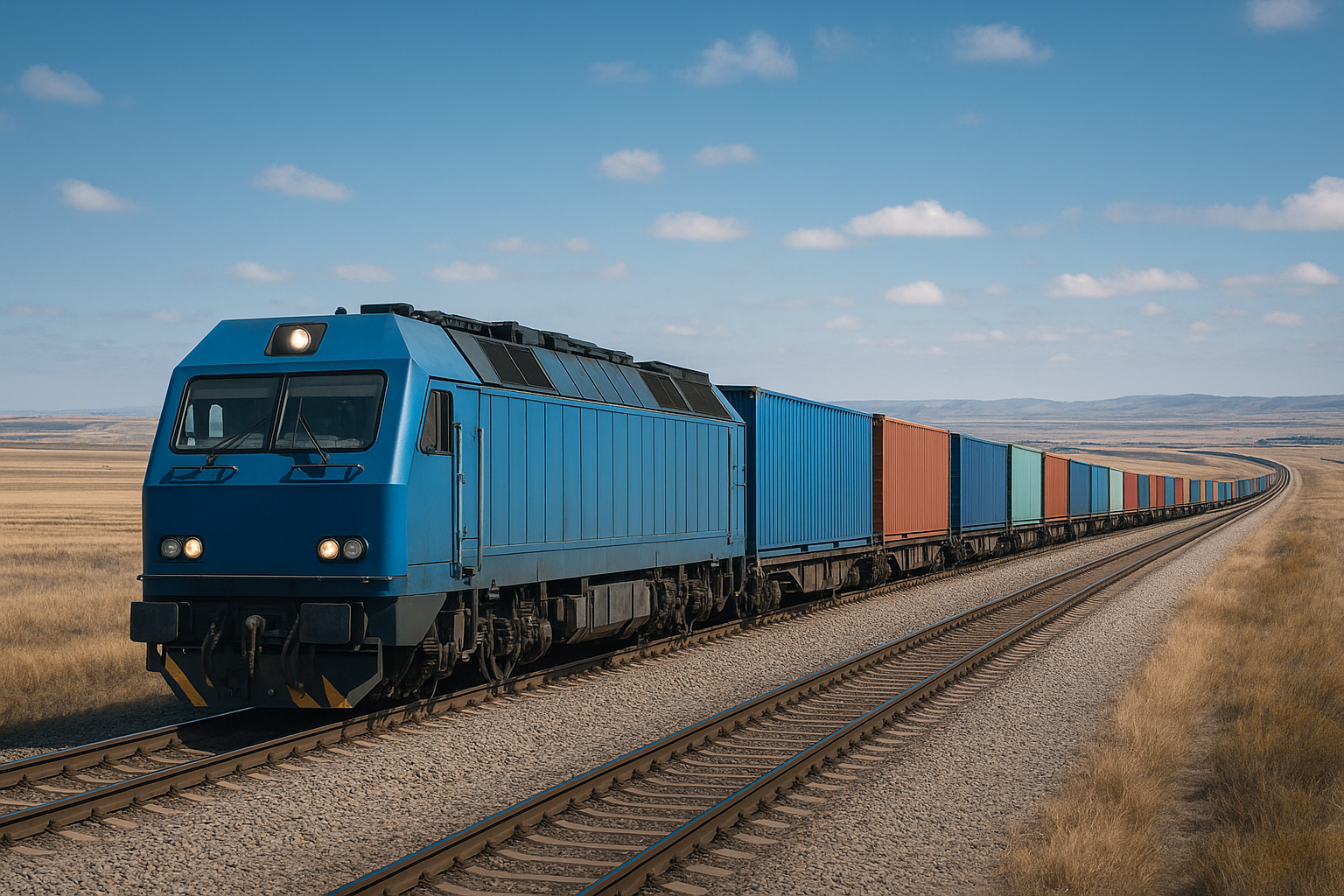
Rail freight offers a middle ground between air and sea shipping. It’s significantly faster than ocean freight and more economical than air freight — making it ideal for medium-sized shipments and time-sensitive cargo from China to Germany.
Routes and Terminals
The China-Europe railway network connects major industrial zones in China with logistics hubs across Germany via Kazakhstan, Russia, and Belarus.
Key departure cities in China:
- Chongqing
- Zhengzhou
- Xi’an
- Yiwu
- Chengdu
- Wuhan
- Suzhou
Main German terminals:
- Duisburg – Largest inland port in Europe, a major distribution center
- Hamburg – Ideal for further transport to Northern Europe
- Munich – Gateway to Southern Germany and Austria
These routes are operated by reliable rail providers like China Railway Express and include both FCL (Full Container Load) and LCL (Less than Container Load) options.
Shipping Time & Cost Comparison
Rail freight typically takes 14 to 18 days door-to-door from China to Germany — significantly faster than sea freight (which takes 30–45 days) and more budget-friendly than air freight.
| Mode | Transit Time | Average Cost Estimate |
|---|---|---|
| Sea Freight | 30–45 days | $1,800–4,500 (FCL) |
| Rail Freight | 14–18 days | $4,950–7,400 (20’–40′ container) |
| Air Freight | 3–7 days | $3.5–6.0/kg or $7,000+/container |
💡 Rail freight offers a good balance between cost and speed, especially for mid-volume cargo.
Example reference rates:
- 20′ container to Hamburg: ~$4,950
- 40′ HQ container to Munich: ~$7,400
- LCL: ~$150–240 per ton (varies by route and carrier)
Please contact us for an accurate quote based on your specific cargo, route, and service needs.
Pros & Cons of Rail vs. Sea Freight
While both sea and rail freight are popular for China–Germany shipping, each has its strengths:
| Feature | Rail Freight | Sea Freight |
|---|---|---|
| Speed | ✅ 14–18 days | ❌ 30–45 days |
| Cost | Moderate ($$) | Lowest ($) |
| Reliability | High (fixed schedules) | May face port delays |
| Environmental Impact | Lower emissions vs air freight | Energy-efficient over long distances |
| Volume capacity | Medium (ideal for 5–20 tons) | High (bulk cargo, containers) |
| Flexibility | Growing network, still limited | Most established globally |
When to choose rail freight:
- If you need delivery in 2–3 weeks, not 4–6
- If your cargo is too heavy/large for air but too urgent for sea
- If you’re shipping electronics, apparel, auto parts, or eCommerce stock
When sea freight is better:
- If you have very large volumes and longer lead time
- If budget is the primary concern
Customs Clearance in Germany
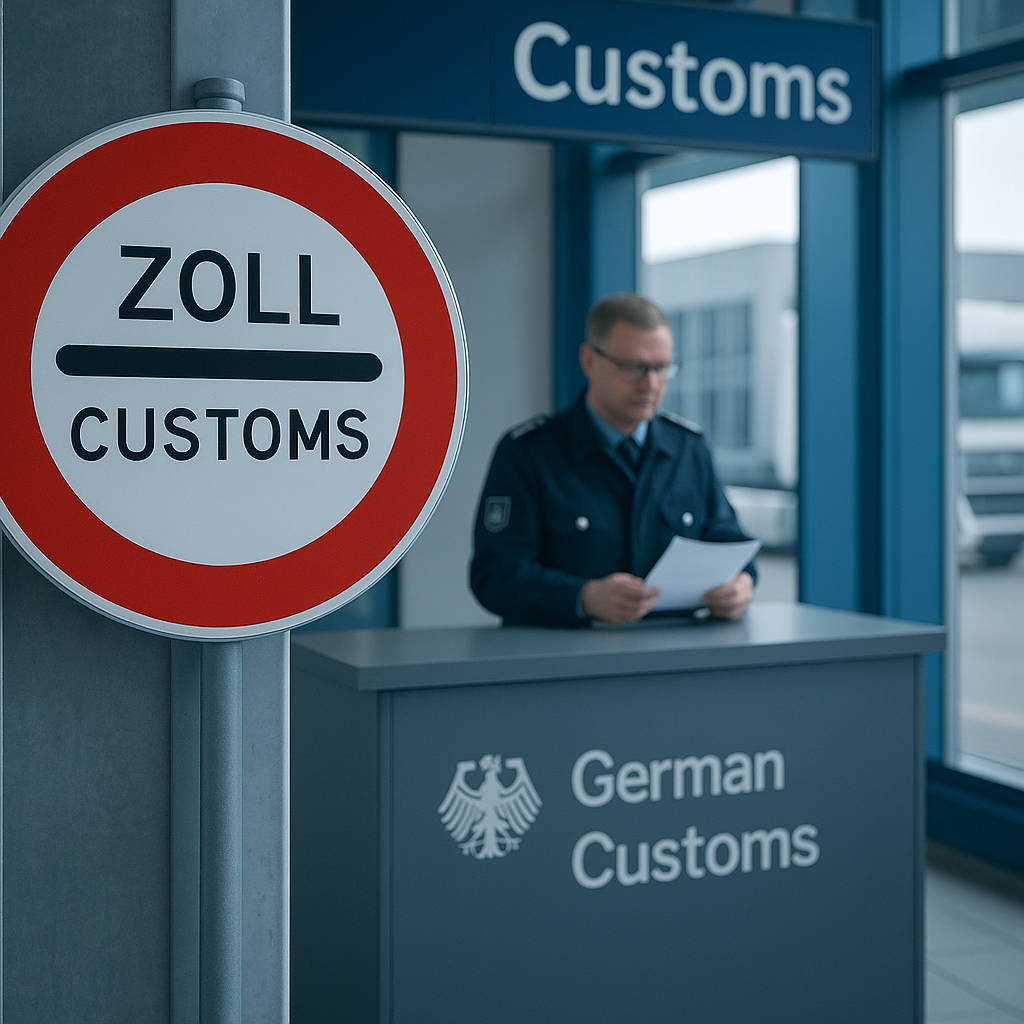
Importing goods from China to Germany involves more than just shipping — it requires a clear understanding of the German customs process, required documentation, and tax obligations. Whether you’re a first-time importer or a seasoned business, proper customs clearance is essential to avoid delays, fines, or unexpected costs.
In this section, we’ll walk you through:
- How customs clearance works in Germany
- The essential documents you need to import from China
- How import VAT and duties are calculated
Let’s simplify the process and help you prepare for a smooth entry into the German market.
German Customs Process
When importing goods from China to Germany, clearing customs involves submitting electronic declarations, paying duties and taxes, and complying with import regulations.
Key steps include:
- Submitting an electronic import declaration (via ATLAS or IZA system) for goods over €150 in value
- Presenting all necessary commercial documents
- Paying applicable customs duties and import VAT
🧾 For personal goods, duty-free allowances apply, but commercial shipments must meet full customs requirements.
For smooth customs clearance, it’s recommended to work with a professional German customs broker to avoid delays or penalties.
China to Germany Import Documents
To import from China into Germany, you’ll need to provide a set of required documents to ensure proper customs clearance.
Mandatory documents include:
- Commercial invoice (preferably in English)
- Detailed packing list
- Original Bill of Lading or Air Waybill
- Importer’s German tax ID (USt-IdNr)
- Customs value declaration (CIF-based)
- EORI number (Economic Operator Registration and Identification)
- CCVO (Certificate of Value & Origin) – if applicable
- Import license or product certificates (e.g. CE marking, phytosanitary, etc.)
Other supporting documents may include:
- Power of attorney for your customs broker
- Transfer inventory declaration
- Proof of importer registration in Germany
- China’s certificate of origin or joint declaration (if under trade agreement)
📌 Ensuring all documents are complete and accurate helps avoid shipment delays at German ports or airports.
Import VAT & Duties in Germany
When goods arrive in Germany from China, import taxes and duties are calculated based on the CIF value (Cost + Insurance + Freight).
1. Import VAT (Mehrwertsteuer):
- Standard rate: 19%
- Reduced rate: 7% (for books, newspapers, magazines)
- Formula: VAT = rate × (CIF + customs duty)
2. Customs Duties:
- Range: 0% – 17% depending on product
- Example: mobile phones = 0%, boots = 17%
- 🚲 Chinese-made bicycles: subject to 48.5% anti-dumping duty
3. Duty-Free Thresholds:
- Goods under €150 (FOB): no customs duty
- Goods under €22: no VAT
- Combined tax under €5: fully exempt
⚠️ Always classify your products with correct HS codes to avoid penalties or miscalculated duties.
Cost Factors (Volume, Route, Mode)
Several key factors influence the cost of shipping from China to Germany:
- Shipping Mode: Sea freight (FCL/LCL), air freight, and rail freight each have different cost structures.
- Volume & Weight: LCL and air freight are charged per CBM or per kg (chargeable weight), whichever is higher.
- Route & Origin/Destination Ports: Costs vary depending on whether you ship from Shanghai, Shenzhen, or Ningbo to Hamburg, Munich, or Frankfurt.
- Seasonality: Prices may rise during Chinese New Year, Golden Week, or pre-holiday seasons.
- Customs & Duties: Germany applies VAT and import duties on CIF-based values — these add to your total landed cost.
- Shipping Terms (Incoterms): Costs differ if you choose FOB, EXW, or DDP — with DDP including customs clearance and duties.
Pricing Examples by Mode & Cargo Type
Below are typical freight rate ranges from China to Germany, depending on the shipping method:
🌊 Sea Freight:
- FCL 20ft Container: USD $1,800 – $3,500
- FCL 40ft HQ Container: USD $3,500 – $5,800
- LCL: USD $75 – $150 per CBM
✈️ Air Freight:
- Standard Air Freight: USD $3.9 – $5.5 per kg (100kg+)
- Express Courier (DHL/FedEx): USD $5 – $15 per kg
🚆 Rail Freight:
- 20ft Container to Hamburg: USD $4,950 – $5,500
- 40ft HQ Container to Munich: USD $6,950 – $8,000
🧮 Example Scenario:
- 10 CBM / 1,200 kg general goods by sea (LCL): ~USD $950 – $1,300
- 120 kg electronics via air freight: ~USD $500 – $650
- 20ft rail freight container from Xi’an to Hamburg: ~USD $5,000
Hidden Costs to Watch Out For
When calculating your total shipping cost, be sure to consider:
- Destination Charges: Port handling fees, terminal charges, unloading, local trucking in Germany
- Customs Brokerage Fees: If using a broker for clearance
- Import VAT & Duties: Germany VAT (19%) + applicable customs duties (0%–17% or more)
- Insurance: Strongly recommended for valuable or fragile cargo
- Storage or Demurrage: Charges if goods are not cleared or picked up in time
- Document Charges: Charges for B/L issuance, export docs, or certificates
💡 Tip: Request a full breakdown in your shipping quote — especially if you’re using DDP or LCL services.
Full Logistics Chain Explained
Understanding the full door-to-door shipping timeline helps you plan effectively.
Typical shipping times from China to Germany:
| Method | Transit Time (Door-to-Door) |
|---|---|
| ✈️ Air Express | 3–5 days |
| ✈️ Air Standard | 8–10 days |
| 🚆 Rail Freight | 16–18 days |
| 🌊 FCL Sea Freight | 36–55 days |
| 🌊 LCL Sea Freight | 39–62 days |
🔁 A door-to-door freight service (often under DDP terms) includes:
- Pickup from supplier/factory
- Export customs clearance in China
- International transport (air, sea, or rail)
- Import customs clearance in Germany
- Final delivery to warehouse, Amazon FBA, or address
Factors like port congestion, weather, and customs can cause delays. Working with a reliable freight forwarder helps keep things on track.
Best Options for Amazon Sellers
If you’re selling on Amazon Germany (Amazon.de), timing is everything — stockouts or delays can affect rankings and sales.
📦 Recommended shipping options for FBA:
- DDP Air Freight (100–500kg)
⏱️ 8–12 days total, taxes prepaid, direct delivery to Amazon FBA - DDP Rail Freight (1–5 CBM)
⏱️ 16–20 days, cheaper than air, faster than sea, door-to-FBA ready - Sea Freight + Prep Center
⏱️ 35–55 days — Ideal for high volume shipments if time allows
✅ We recommend using DDP shipping to Amazon FBA Germany, so you don’t need to worry about VAT, customs, or import declarations.
👉 Just provide your FBA label and warehouse address — we’ll take care of the rest.
DDP vs. CIF vs. FOB Comparison
Your chosen shipping term directly affects how long it takes for your goods to arrive and who handles which part of the logistics.
| Term | Responsibility | Shipping Time Impact |
|---|---|---|
| DDP (Delivered Duty Paid) | Seller (You) or Freight Forwarder handles everything | ⏱️ Fastest & most seamless door-to-door |
| CIF (Cost, Insurance, Freight) | Seller delivers to destination port; you handle import | ⏳ May delay at customs unless pre-arranged |
| FOB (Free on Board) | You handle shipping from port onward | ⏳ Most flexible but may involve extra coordination |
🛡️ DDP shipping from China to Germany is best if you want:
- Fixed delivery timelines
- Zero customs hassle
- Direct shipment to FBA or your warehouse

Door-to-door shipping is the most streamlined way to move goods from China directly to your location in Germany — whether it’s a warehouse, an Amazon FBA center, or a retail store. With this all-in-one logistics service, you avoid managing multiple providers and get full visibility from pickup to final delivery.
In this section, we’ll break down:
How DDP compares to CIF and FOB for time and cost efficiency
The full logistics chain from factory to doorstep
The best door-to-door options for Amazon sellers
Full Logistics Chain Explained
Door-to-door freight shipping (often under DDP terms) covers the entire logistics journey — from supplier pickup in China to final delivery in Germany.
Typical steps in the logistics chain include:
- Origin Pickup: Goods are collected directly from your supplier’s factory or warehouse in cities like Shenzhen, Guangzhou, Yiwu, or Ningbo.
- Export Customs Clearance (China): Export documents and customs declarations are handled by your freight forwarder.
- Main Transportation:
- Sea Freight (FCL/LCL): 30–45 days – cost-effective for bulk shipments
- Air Freight: 5–10 days – ideal for urgent or high-value cargo
- Express Shipping: 3–7 days – perfect for small parcels via DHL, FedEx, or UPS
- Import Customs Clearance (Germany): Includes HS code classification, German VAT (19%) calculation, and EORI registration.
- Final Delivery: Trucking from port/airport (e.g. Hamburg or Frankfurt) to your door, Amazon FBA warehouse, or fulfillment center.
✅ Result: A seamless shipping experience with predictable costs and minimal risk.
Best Options for Amazon Sellers
Selling on Amazon Germany (Amazon.de)? Door-to-door shipping is the fastest and most compliant way to deliver goods to FBA warehouses in Germany.
Top choices for Amazon sellers:
- DDP Air Freight (100–500kg)
- ⏱️ Transit Time: 8–12 days
- ✅ Delivered straight to Amazon — VAT and duties prepaid
- DDP Rail Freight (1–5 CBM)
- ⏱️ Transit Time: 16–20 days
- 💰 Cheaper than air, faster than sea
- DDP Sea Freight + Prep Center
- ⏱️ Transit Time: 35–50 days
- 📦 Great for high-volume stock shipments
Why Amazon sellers prefer DDP:
- You don’t need a German VAT number
- No need to act as the importer of record
- Zero customs paperwork — we handle it all
- Amazon gets the goods faster, boosting your seller rating
📦 Just send us your FBA label and warehouse address — we’ll do the rest.
DDP vs. CIF vs. FOB Comparison
Your shipping terms directly impact who’s responsible, who pays for what, and how smoothly your delivery goes.
| Term | Who Handles Customs | Duties Included? | Delivery Speed | Suitable For |
|---|---|---|---|---|
| DDP (Delivered Duty Paid) | Forwarder | ✅ Yes | ⏱️ Fastest | Amazon sellers, eCom, B2C |
| CIF (Cost, Insurance, Freight) | Buyer | ❌ No | 🕒 Medium | Experienced importers |
| FOB (Free on Board) | Buyer | ❌ No | 🕒 Medium | Flexible arrangements |
✅ Why choose DDP from China to Germany?
- All-in pricing: freight, customs, VAT, and last-mile
- No need for you to register for VAT in Germany
- Great for first-time importers or eCommerce businesses
⚠️ Watch out: CIF and FOB often leave you to handle customs and pay surprise fees on arrival.
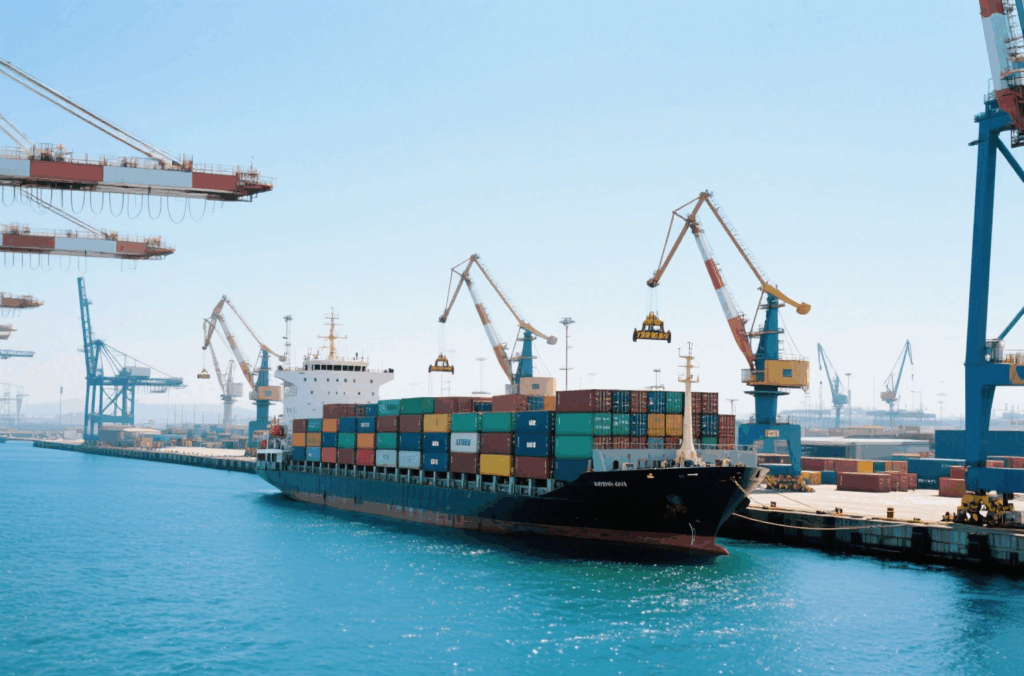
🔑 China freight forwarder, China cargo agent, China logistics company, shipping China to Germany
Choosing the right China freight forwarder can make or break your supply chain. A trustworthy logistics partner ensures smooth customs clearance, on-time deliveries, and cost-effective solutions — especially when importing from China to destinations like Germany, the USA, or Amazon FBA centers.
Below is a practical guide to help you choose a dependable China-based logistics company for your business.
What Makes a Good Freight Forwarder (China → Germany)
A reliable China freight forwarder for Germany-bound shipments should have:
🌐 Route-Specific Experience
- Knows customs procedures and regulations in both China and Germany
- Has handled shipments to German ports (e.g., Hamburg, Bremerhaven) and airports (e.g., FRA, MUC)
📦 Industry Know-How
- Familiar with your product type (e.g., electronics, furniture, automotive, fashion)
- Can recommend the best transport mode: sea, air, rail, or multimodal
🤝 Bilateral Logistics Network
- Has trusted agents or branch offices in both China and Germany
- Can handle DDP (Delivered Duty Paid) or support you with VAT-compliant DAP shipping
✅ Proper Licensing & Certifications
- NVOCC license, ISO certification, and legally registered in China
- Optional: FIATA/CIFA membership adds credibility
China Cargo Agent vs Freight Forwarder – What’s the Difference?
It’s important to understand the difference when choosing a logistics partner:
| Term | Role | Limitations |
|---|---|---|
| China Cargo Agent | Books space on ships/airlines as a broker | Usually lacks customs or delivery service |
| China Freight Forwarder | Manages end-to-end shipment incl. pickup, export clearance, freight, import, and delivery | Full logistics solution |
🚫 Don’t confuse the two:
If you’re shipping from China to Germany and need customs, insurance, VAT handling, or door-to-door solutions, a licensed freight forwarder is the right choice.
Questions to Ask Before Choosing Your China Logistics Partner
Ask these essential questions before signing with any China-based logistics company:
🔎 Route & Expertise:
- Have you handled shipments from China to Germany before?
- Are you familiar with German customs, VAT handling, and Incoterms?
📄 Licensing & Legitimacy:
- Are you NVOCC-certified and legally registered in China?
🚚 Services:
- Do you offer DDP shipping, customs clearance, FBA delivery, and insurance?
- Can you handle labeling, palletization, or warehouse prep?
💰 Costs:
- Can you provide a transparent quote (freight, customs, VAT, delivery)?
- Are there any hidden charges I should be aware of?
📱 Communication:
- How do you keep me updated on shipment progress?
- Do you offer tracking and digital document sharing?
🎯 Contingency:
- What happens if goods are delayed at customs or a schedule changes?
Why Work With a China-Based Freight Forwarder (for Germany Shipments)
🇨🇳 Working with a local China freight forwarder (instead of a European agent) has major advantages for Germany-bound logistics:
🏭 Local Supplier Access
- Can communicate directly with your factory
- Assist with inspections, pickup, and labeling before departure
🛳️ Faster Export Operations
- Quicker space booking at ports (e.g., Ningbo, Shenzhen, Qingdao)
- Faster customs clearance at origin
💬 Real-Time Support & Transparency
- Instant updates in English or bilingual support
- Dedicated logistics consultant for Germany route
💰 Cost Control & Flexibility
- Better rates from local carriers
- Avoid middleman markups from overseas agencies
📦 Tailored Services for Germany
- DDP, VAT assistance, and local delivery to Amazon or private warehouses
- Track & trace system for all modes (sea, air, rail)
✅ Final Tip: Choose Specialization Over Price
A forwarder with China-to-Germany specialization can help you avoid:
- German customs clearance delays
- Unexpected VAT or anti-dumping fees
- Miscommunication with your Chinese suppliers
📝 Pro Tip: Ask for past shipment examples or client references for Germany-bound cargo.
FAQs for Shipping from China To Germany
GET A QUOTE